Mistaken Identity

Hi there!

Having planted Salvia subpalmatinervis in the garden in the last six months, I was looking forward to it flowering sometime soon.  It had been sitting in my nursery just producing leaves and I thought it was past time to get it into the ground.  Well!  A week or so ago it started to put up a flowering stem.  Yes!  I’m thinking, here we go!!  Then it flowered,,,, my heart sank.  From a distance it didn’t look quite what I was expecting.  The photo’s I had seen of subpalmatinervis were of a pinkish coloured flower and quite tubular in shape.  As I moved in for a closer look my disappointment grew.  What I had before me was a blue flower with big white guidelines just like S. forskaholei.

IMG_1060

I consulted an expert and I got the same diagnoses, I had a ring in.  The mystery deepened, I needed to have a really close look at this imposter.  The closer inspection confirmed I had S. forskaholei and this was backed up by the foliage.  Hang on!  There’s slightly different leaves here as well.  What the!

IMG_1050

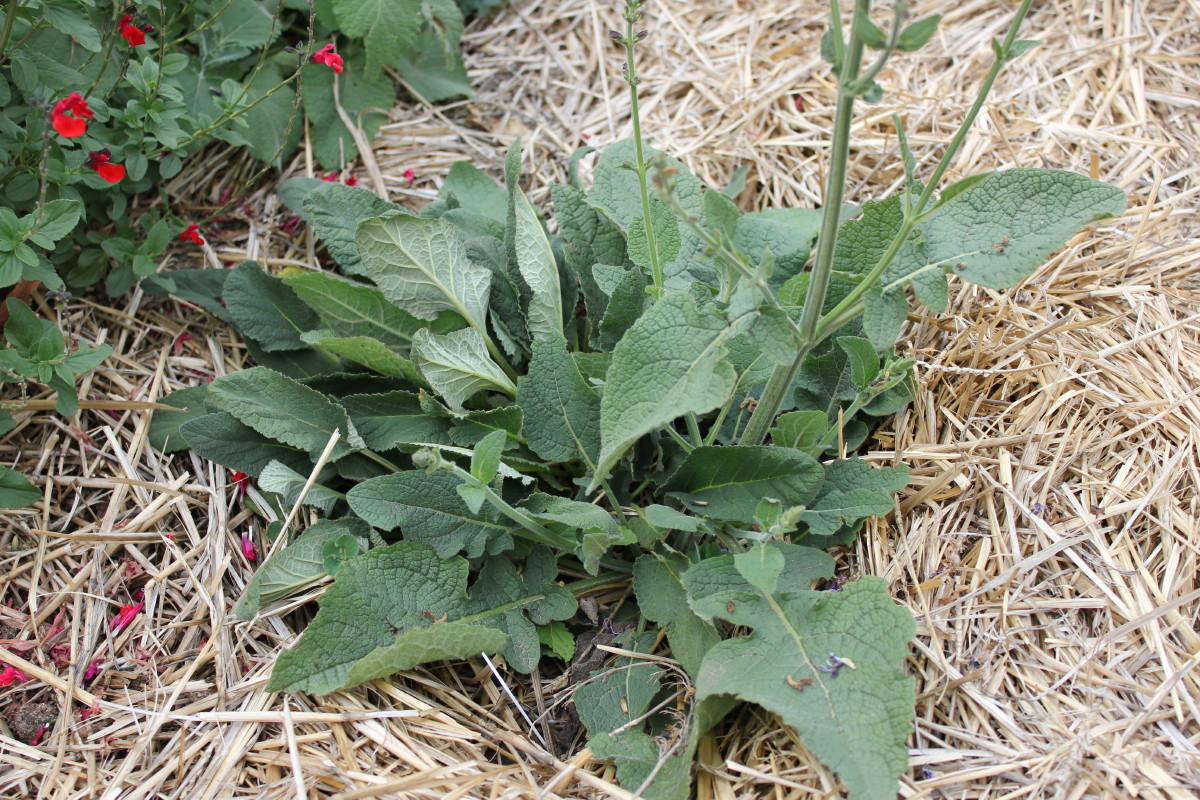
Lo and behold I have two different p[plants in the same hole.  By the look of it I still have S. subpalmatinervis which is taking a back seat somewhat while S. forskaholei flowers its heart out.  Yes, S. forskaholei can seed around a bit, so I can only presume that while S. subpalmatinervis was languishing in its pot before planting that a seed of S. forskaholei managed to find its way into this particular pot.  The intruder will move to a new home and stop renting with S. subpalmatinervis.

IMG_1052

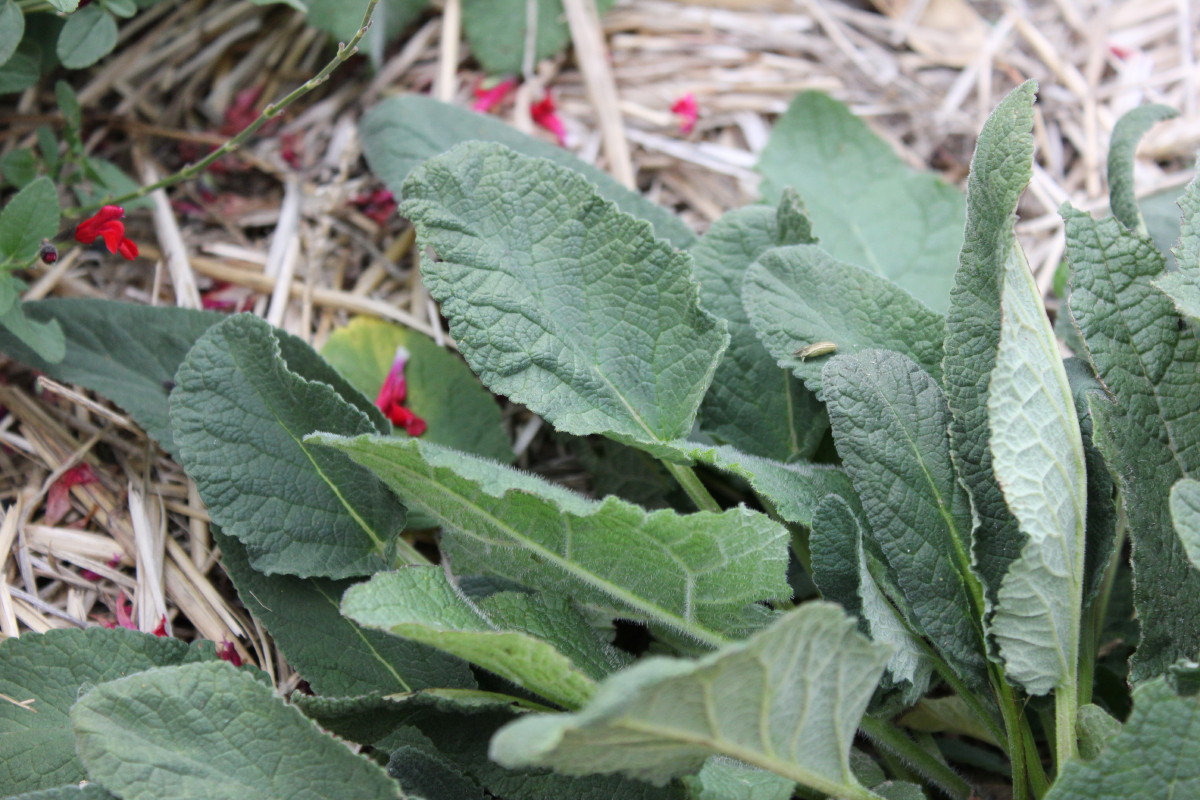
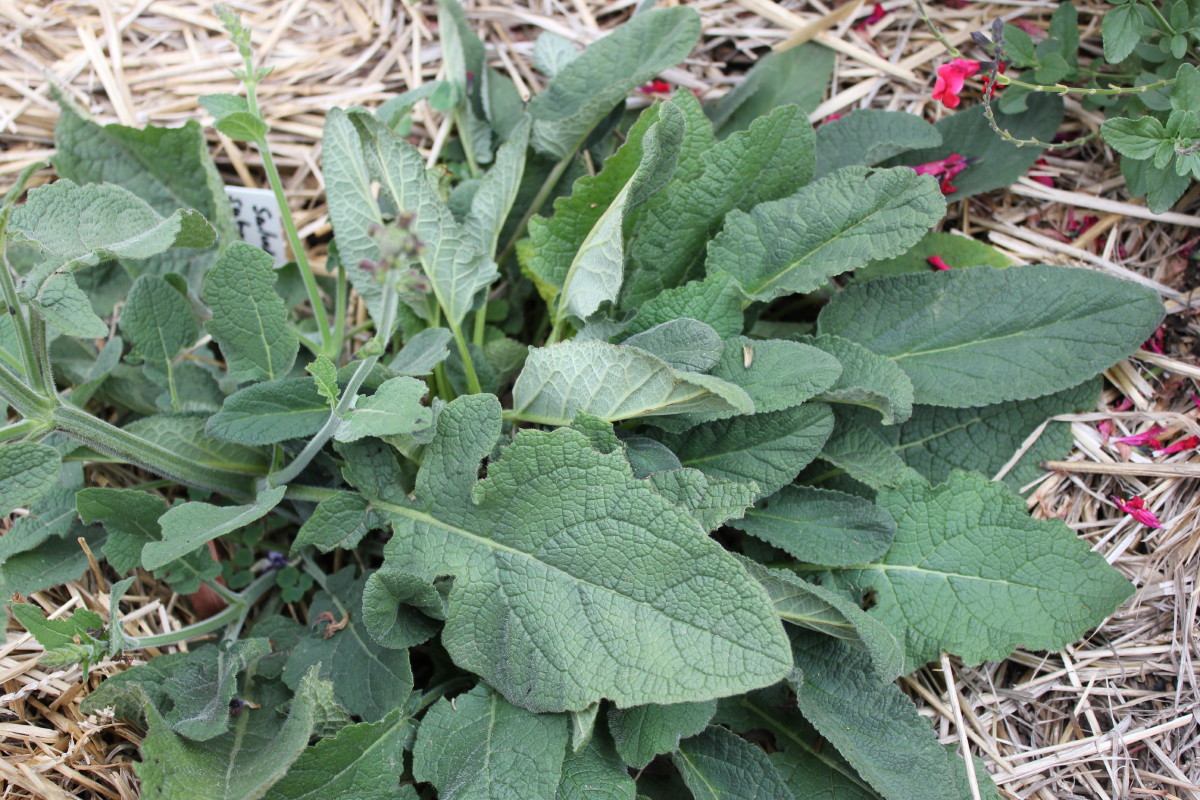
Why did I not see this before?  I think the forskaholei leaves when young were a similar shape(roughly speaking), the colour and texture of the leaves is nearly identical.  Above photo shows leaves of subpalmatinervis and below photo is forskaholei.

IMG_1053

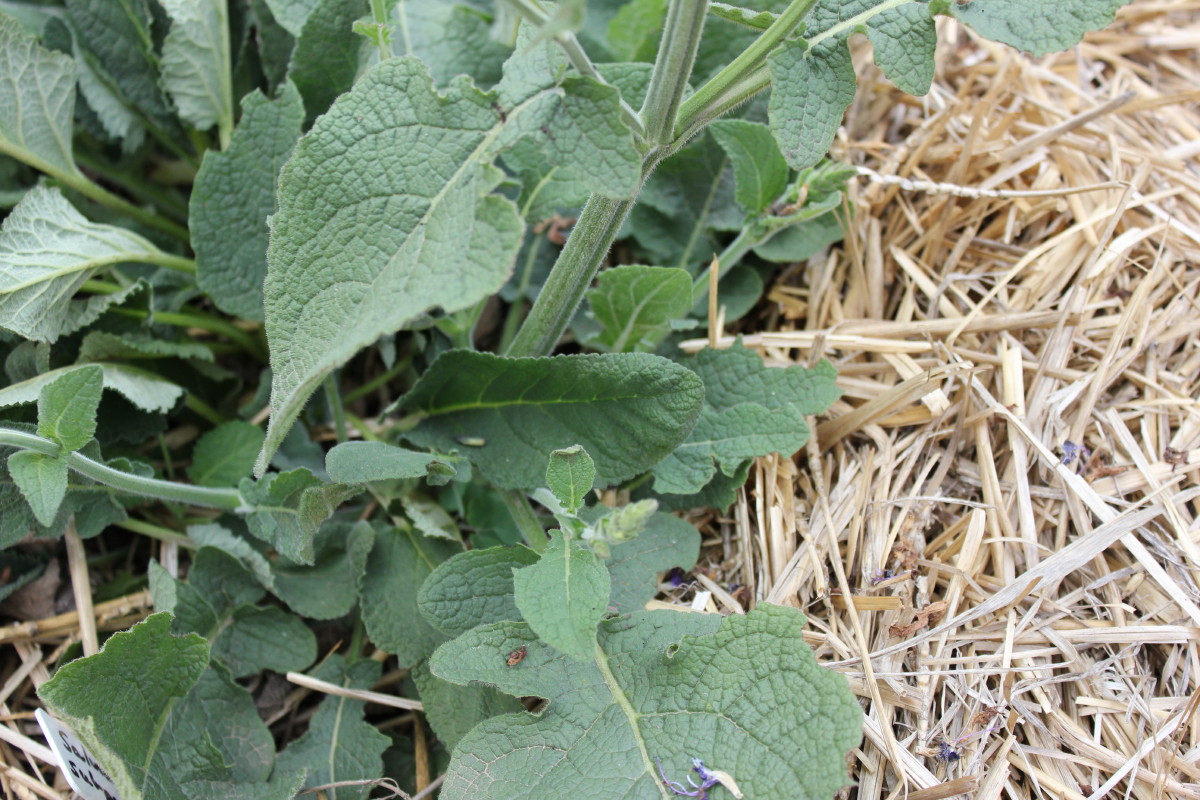
Mix the two together and you get this, see below.

IMG_1059

That’s why botanists use every part of a plant to identify it – flowers, seed, leaves, stems, bark and even the roots.  What’s the moral of the story here?  None actually but if you want to analyse it to the nth degree, there was excitement, anticipation, disappointment, bemusement, hilarity and a fair bit of amusement, especially now.

Still waiting for that subpalmatinervis to flower!

Cheers!

AUTUMN APPROACHES

Hi There!

It’s great to see the high summer temperatures coming down to a more enjoyable 25-30 degree’s and especially the cooler overnight temperatures.  The humans enjoy the milder autumn weather as do the plants.  A lot of Salvia’s are coming into bloom now and ‘Anthony Parker’ is looking fantastic and it won’t be long and it will be flowering.  The karwinskii varieties are large Salvia’s which mostly flower in late Autumn/Winter and these are putting on lots of growth ready to flower soon.  A lot of the greggii hybrids are in flower including ‘Musk Pink’, ‘Sensation’, ‘Quirky Colleen’, ‘Raspberry’, ‘Red Beacon’.  Salvia juriscii with its interesting foliage and upside down flowers is blooming nicely.

IMG_0037

Below is Salvia juriscii with its heavily dissected leaves which nearly look fern leaves.  Yes I know its blurry, but you get the picture!

IMG_0512

IMG_0509

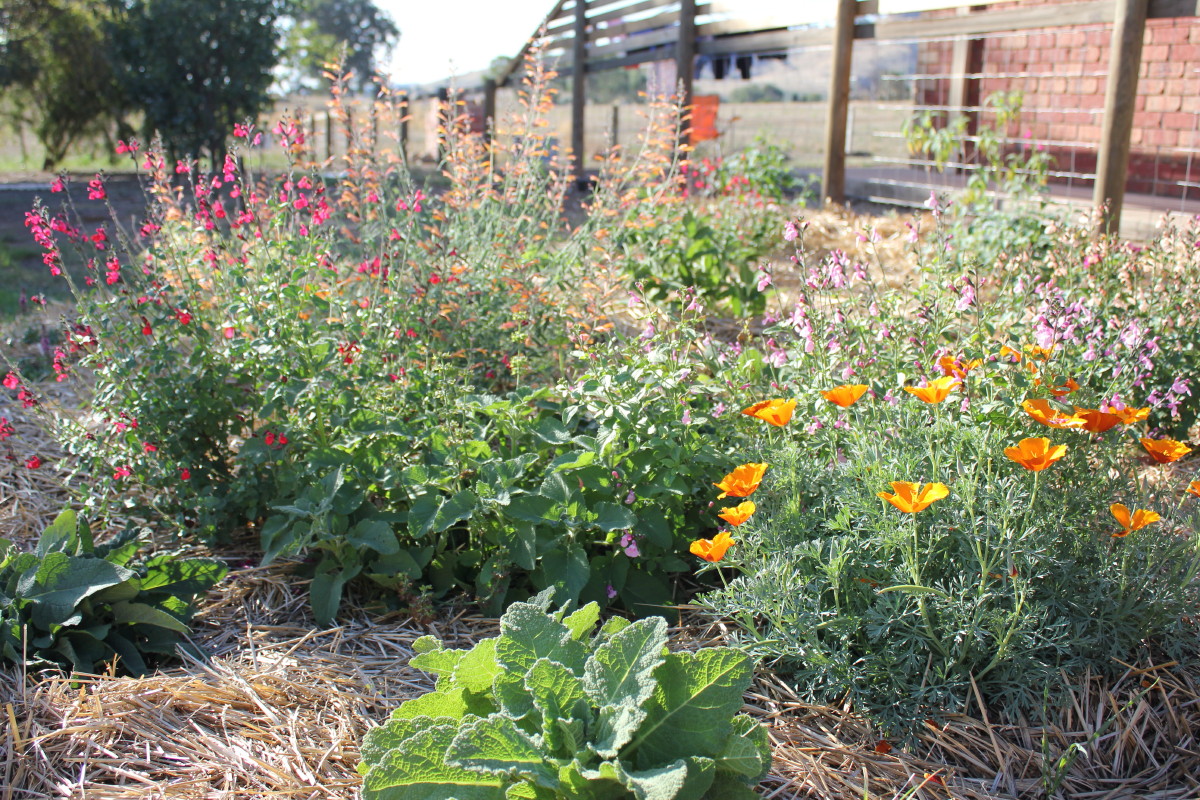
There you go!  How’s that one? A bit clearer  I think.  On the subject of the weather, some rain would be appreciated now so the tank starts to fill again and then I wouldn’t have to water so much.  Never happy us gardeners.  Here’s a collection of Salvia’s in flower and other plants of course.

IMG_1033

Plants start to feel the change in the weather at this time of year and it won’t be long and we will start to see the real marker of Autumn, deciduous colours.  those lovely reds, oranges, yellows and other leaf colours.  That’s what Autumn is really about for me.

IMG_1042

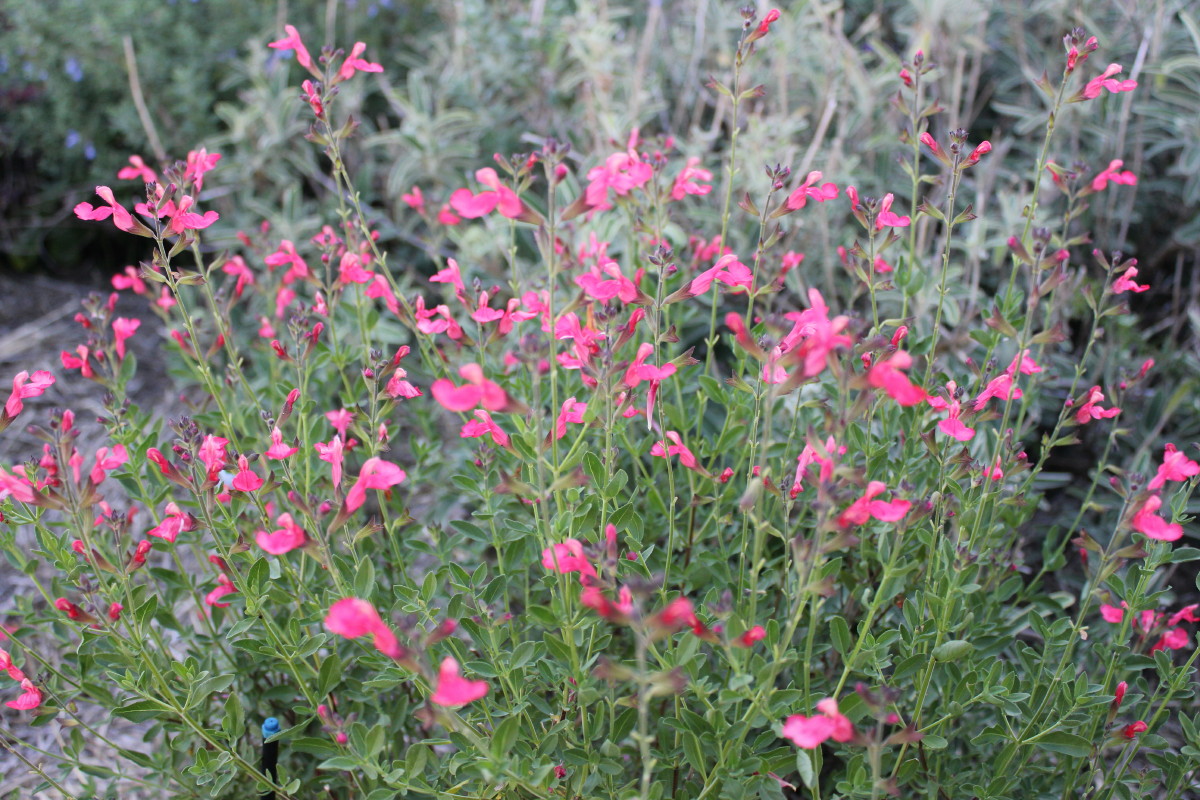
Above is ‘Quirky Colleen’ in flower looking good.  Below is a close up.

IMG_1041

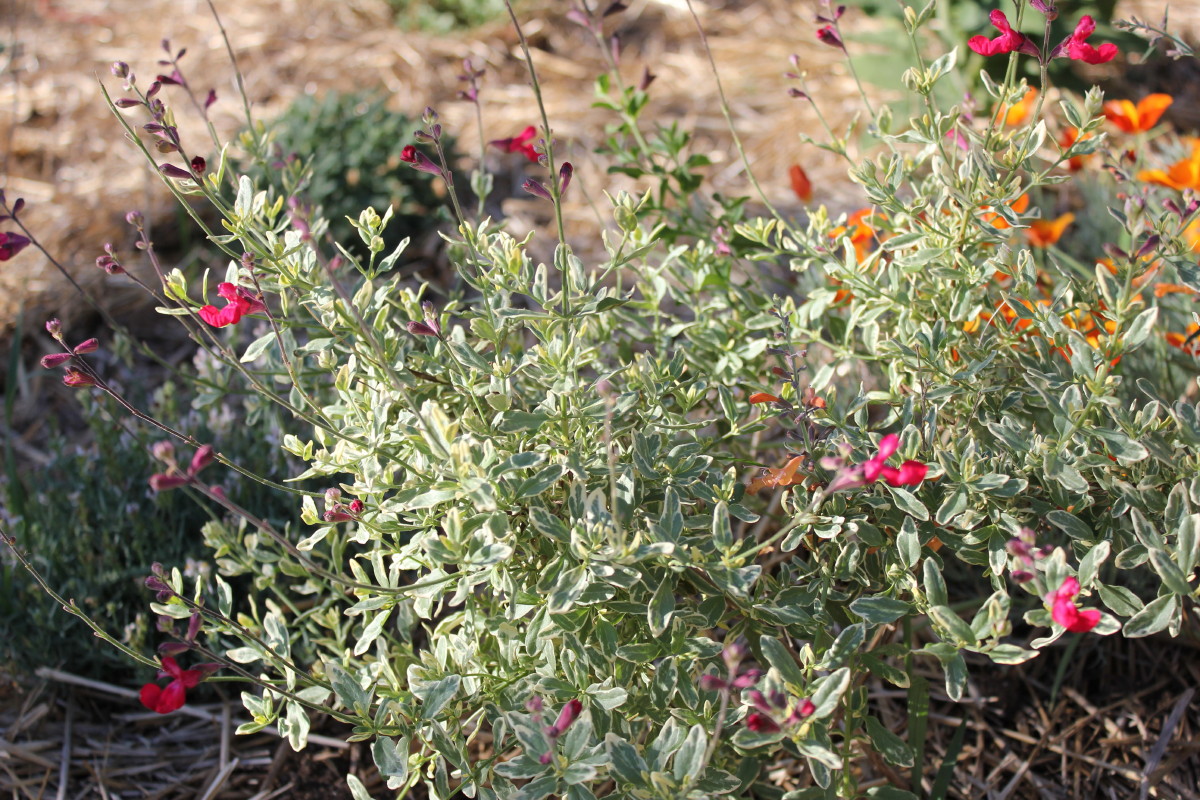
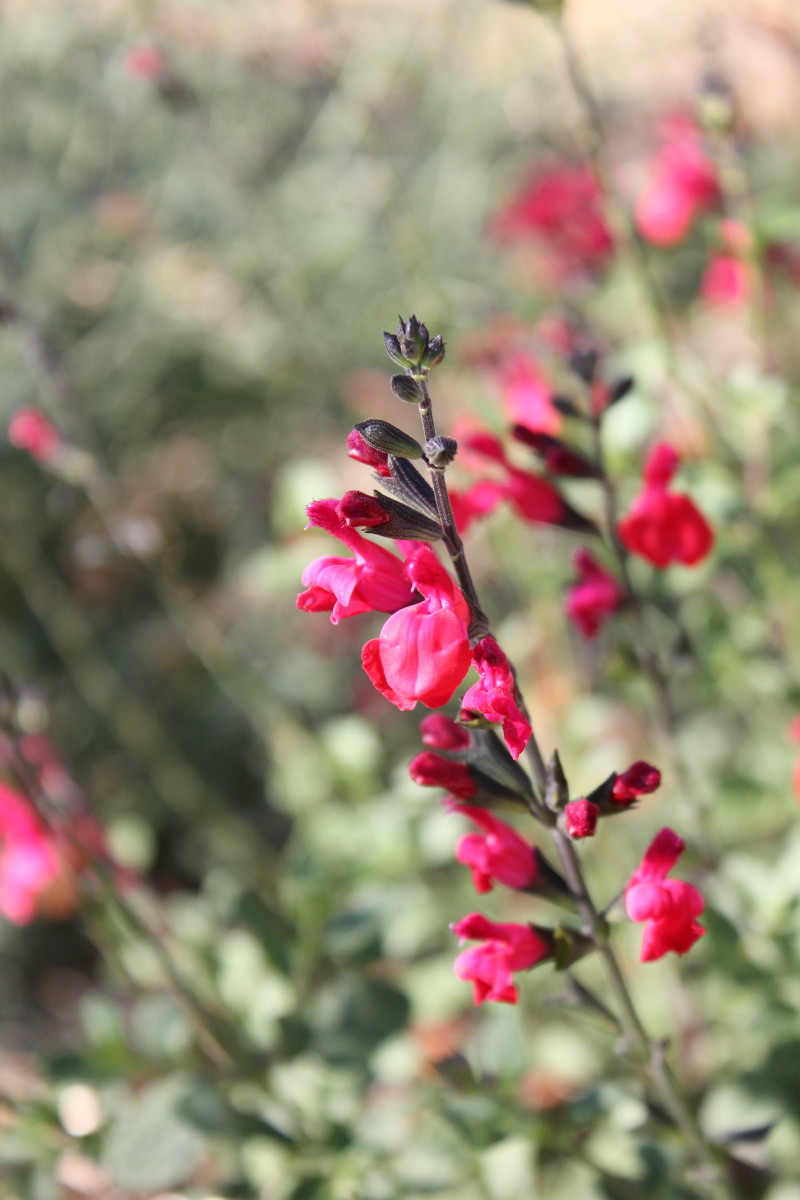
Here’s ‘Desert Blaze’ below with its bright red flowers and variegated leaves.  Variegated foliage is not my thing and I think I only have two plants with variegated leaves.  Both being Salvia’s, go figure!

IMG_1023

Here’s a close up of its flower.

IMG_1024_1

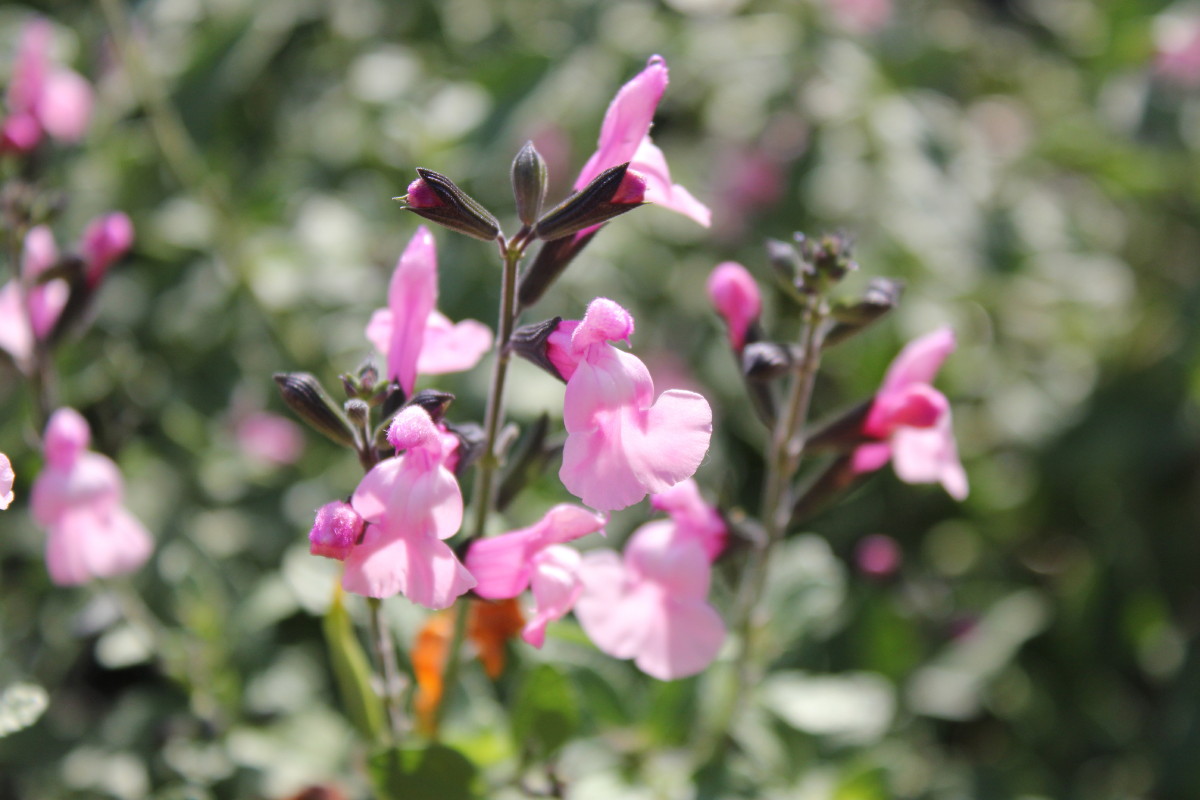
Below is ‘Angels Wings” with its lovely pale to mid pink flowers.

IMG_1013

IMG_1006

A dusting of icing sugar comes to mind, not sure why.  Why is it when you see an object or picture that an odd description can pop into your mind which may or may not have a connection? The power of the mind I suppose.

IMG_1027

Here’s Salvia radula about to come into bloom with its beautiful white flowers.

IMG_1015

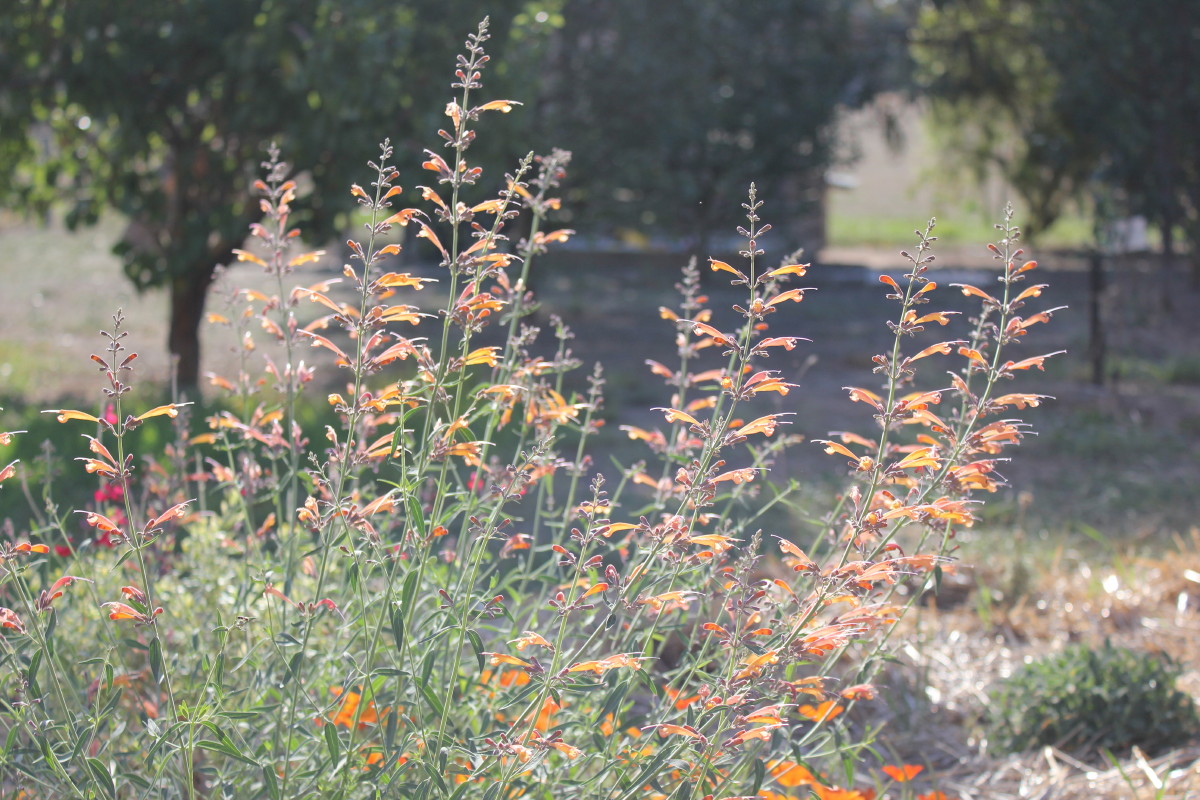
‘Royal Bumble’ above and  we finish with Agastache auranitica below, which surprising is not a Salvia but is in the same family Lamiaceae,  Sort of like cousins.  An interesting fact for you!  Plants that are in the Lamiaceae family have square stems or loosely stems with four corners.  Check out your mint plants!

IMG_1014

Cheers!

A ghostly tale

Hi There!

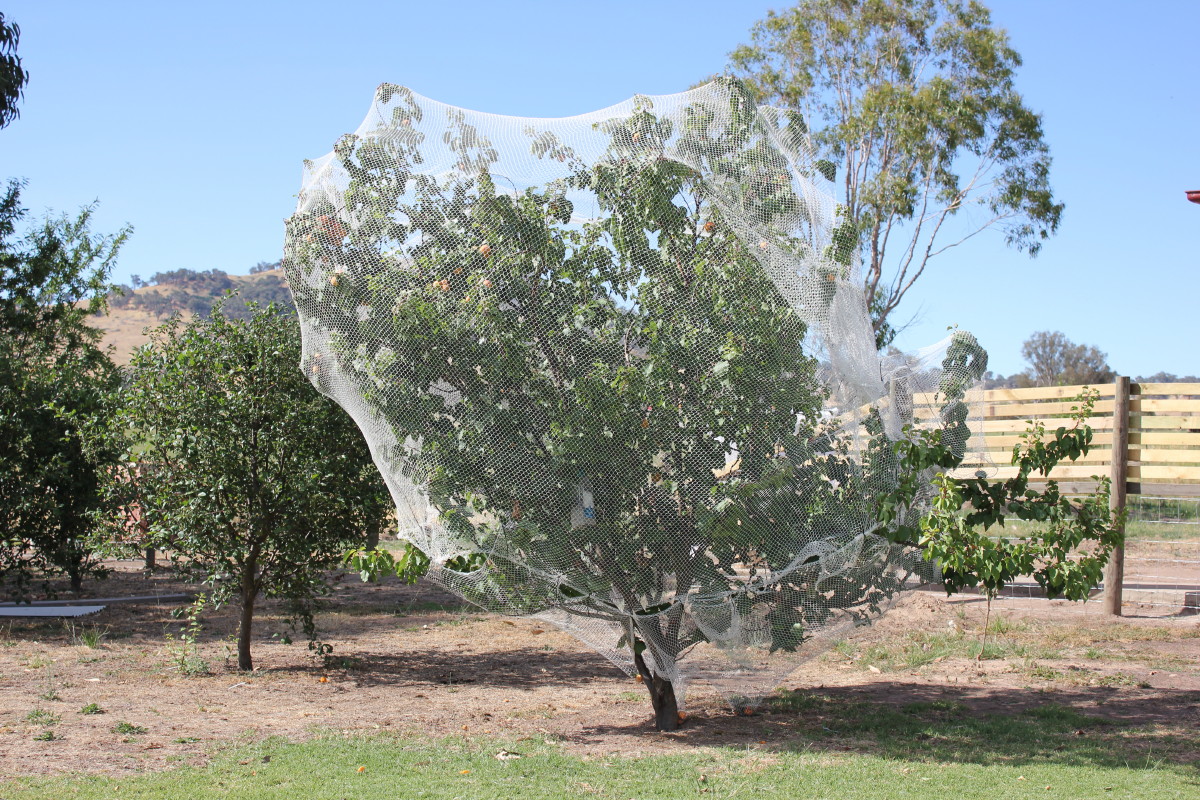
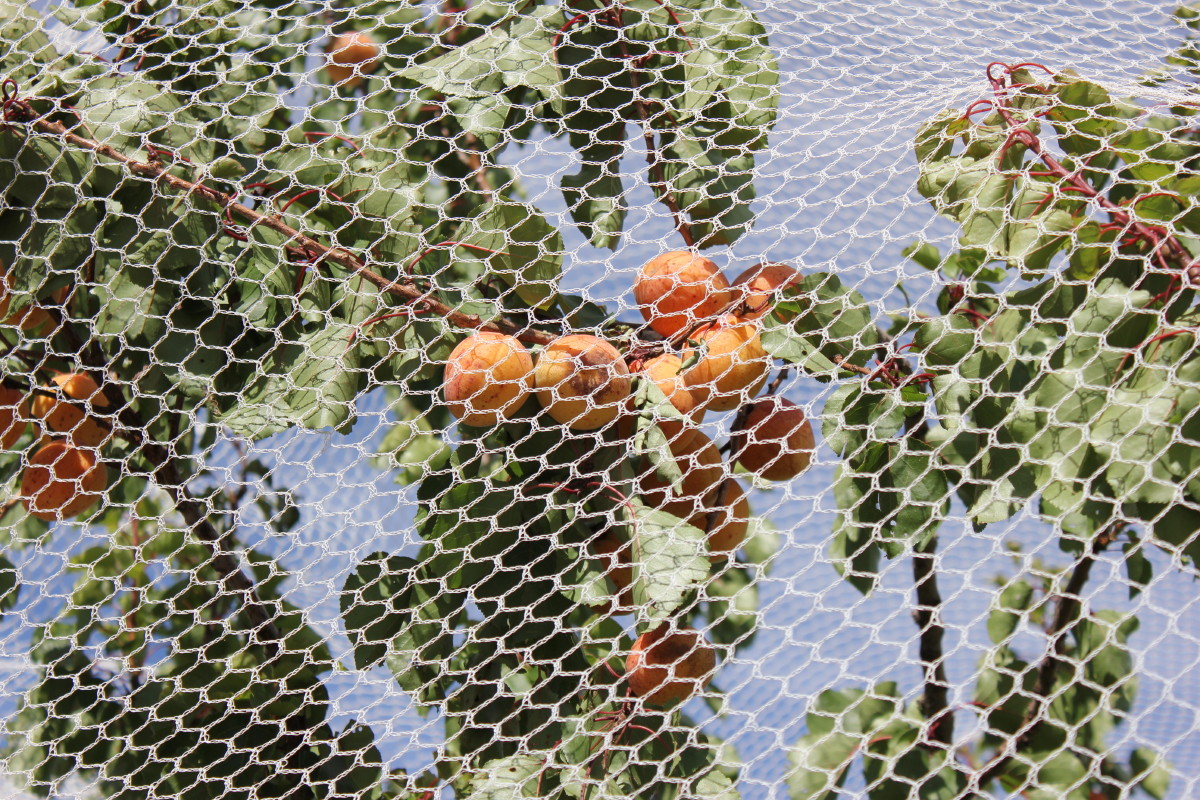
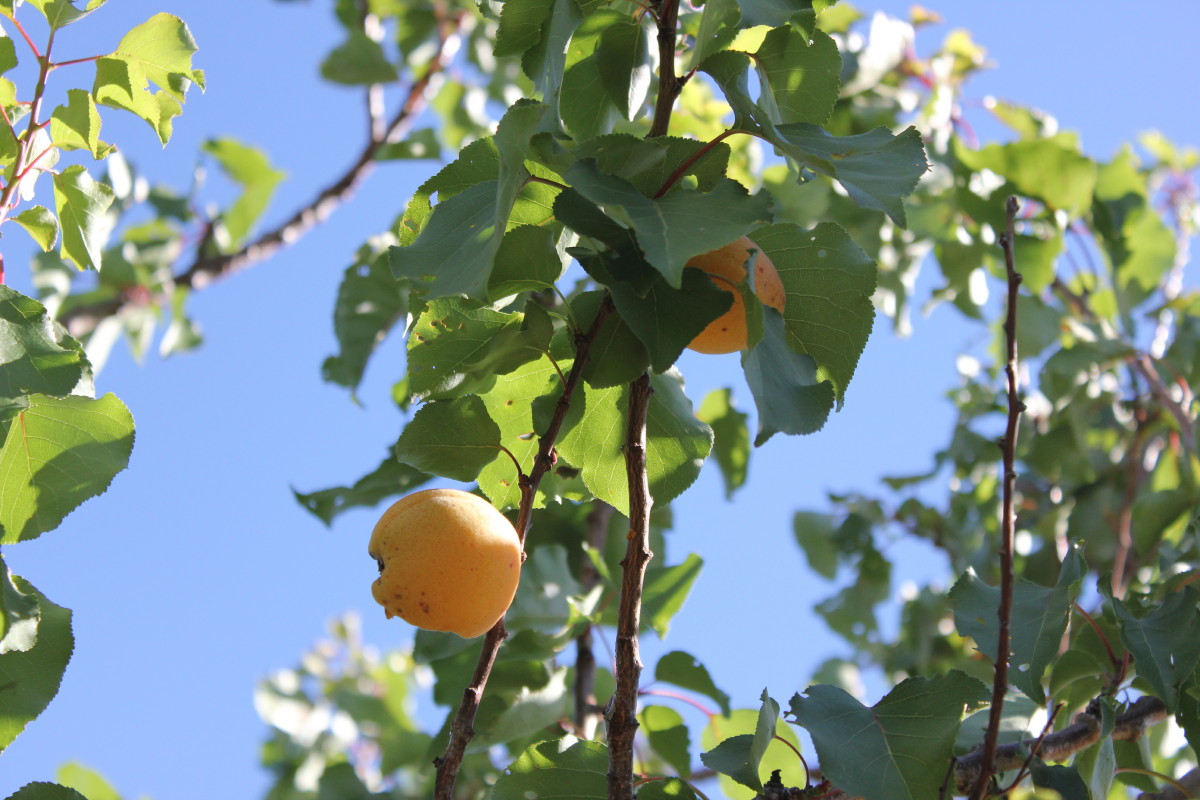
The poor apricot tree must have seen a ghost a couple of weeks ago, it turned white!

IMG_0209

Silly me its only the bird netting.  Sorry birds you’re getting zip this year since there’s not many apricots on it.  Its been a tough year.  You can have a look if you like but this is as close as you’re getting to them!

IMG_0204

Looks like its time to pick them and today was the day to do it since I only noticed them ripening up nicely this afternoon.  amazing how quickly they ripen and if you miss them they ripen too much for my likening.

IMG_0211

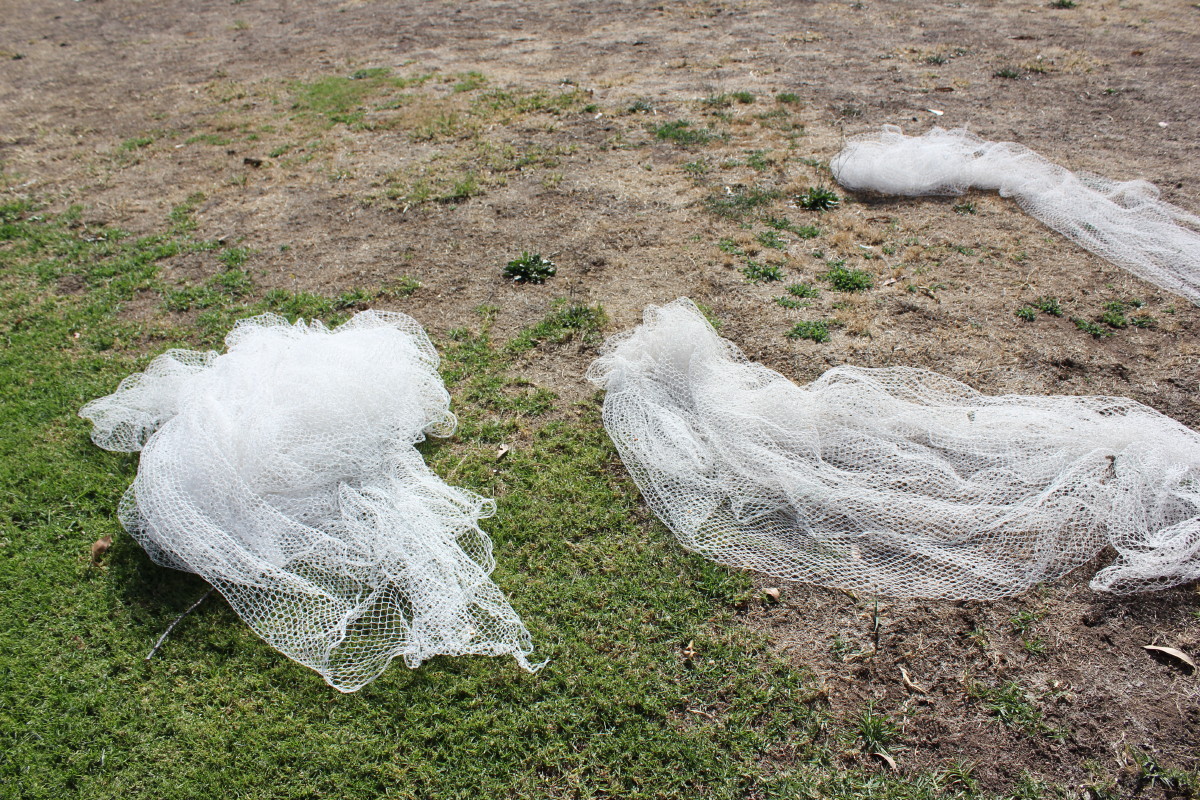
Excellent, here we go.  Looks like the ghost’s have moved on.  Better get in there quick before the birds arrive.

IMG_0210

Yum!  Oops! there go the ghost’s to the next unsuspecting tree.

IMG_0214

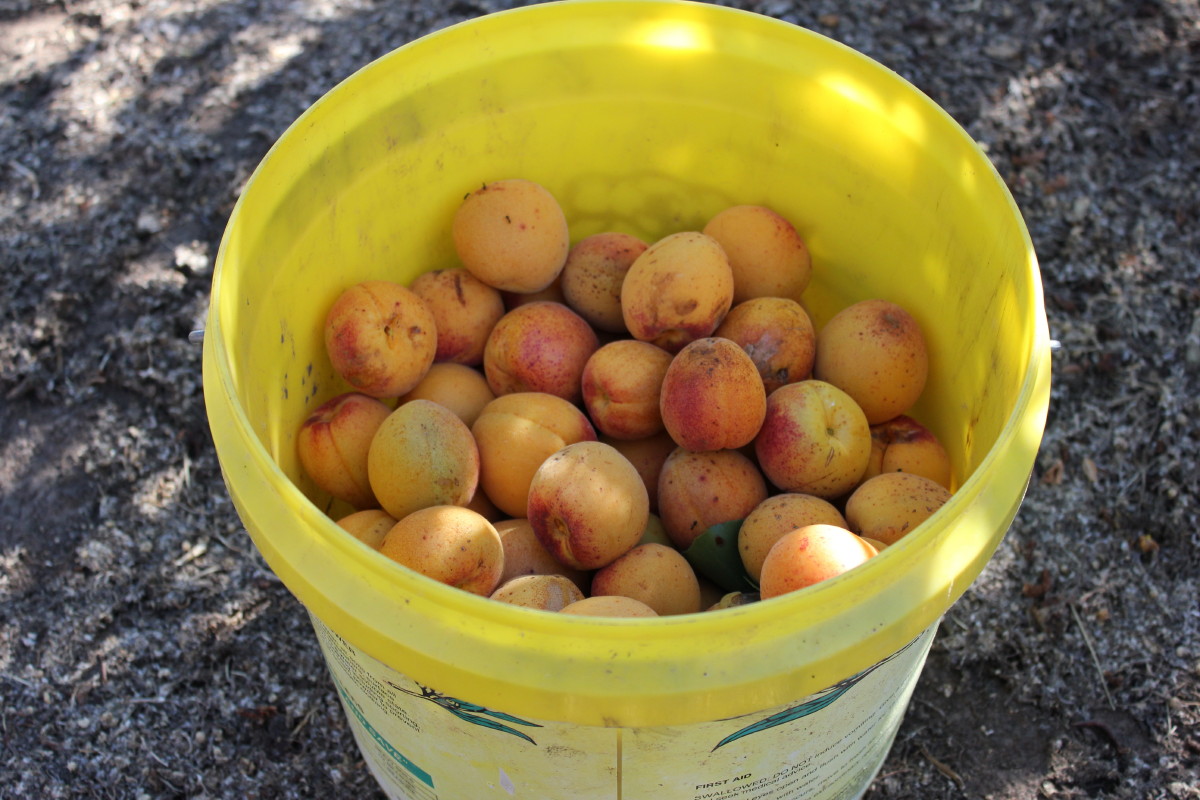
Glad we got rid of those scary things.  There’s more apricots than I thought.  Fantastic!

IMG_0215

Just in case you didn’t see the above photo, look below!  Apricot Trevatt if you’re wondering.

IMG_0216

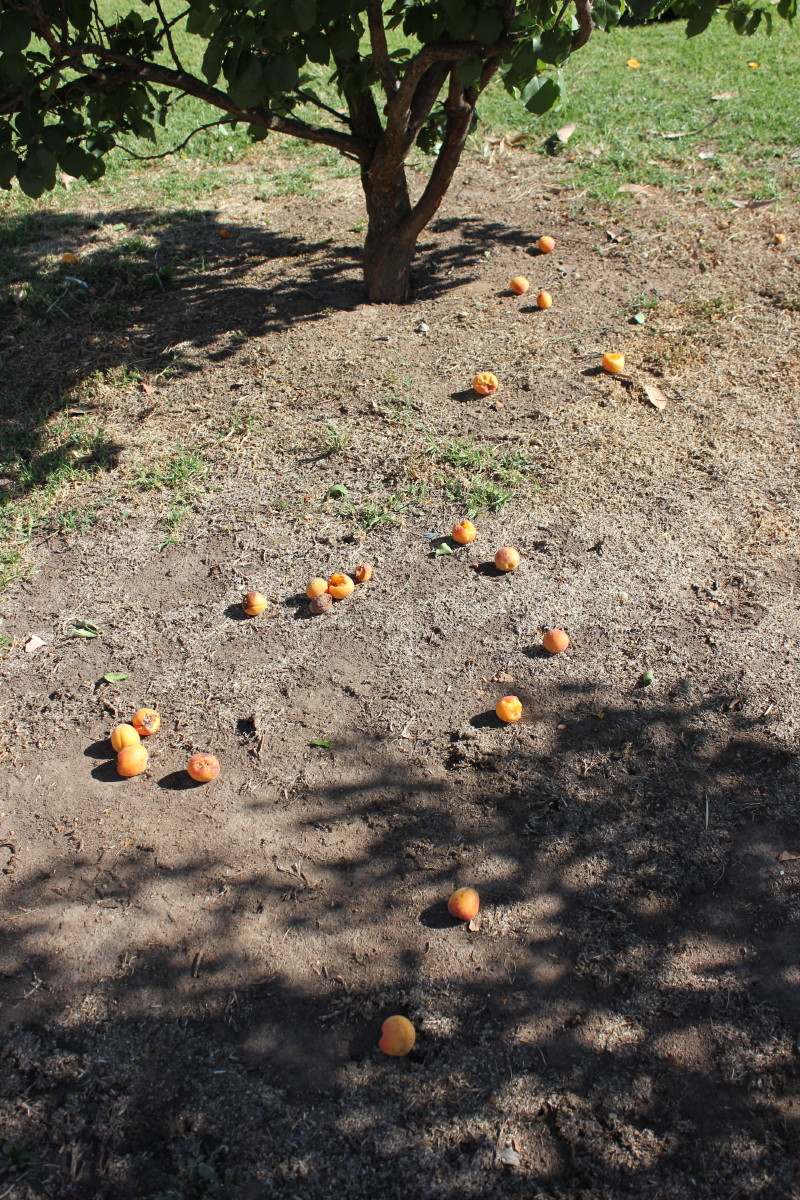
These on the ground are rolling down to the chook pen.

IMG_0217

And these ones I will leave in the tree as an entrée for my feathery friends!

IMG_0218

Nothing like freshly picked apricots with a pungent ripe smell, magnificent, and if you can’t eat them all before they get past there best.  Throw them in the pot and stew them for a beautiful addition to your cereal at breakfast time.  Apricot jam any one?

Cheers!

Mulch Ado About Nothing

Hi There!

Much can be said about mulching, much can be done about mulching but much will be gained by mulching.

Why Mulch?

Here’s the three main reasons why we do.

  1. Reduce evaporation
  2. Change the soil temperature
  3. Reduce the number of weeds

A by-product of the first two points is less water usage which reduces the reliance on water usage and decrease our water bill as well, which I find highly attractive.  What do we use as a mulch?  Lots of things can be used but the most common would be Straw(including pea and Lucerne)/Hay/sugar cane and compost.  There are also more woody ones like Pine bark/Wood Chips including Euchi Mulches.  One can also use decorative mulches like Pebbles/Sand/Gravels.  There are pro’s and cons for all of them, it just depends on your needs and what you are looking for.

Decorative mulches will look good yet provide no benefits or nutrients to your soil.  Organic mulches like straws/hay may not look so sharp yet they provide nutrients as they breakdown.  This improves soil structure and increase the amount of micro organisms in the soil which in turn provides a healthier soil.  Larger particle mulches like Pine bark may cause a symptom known as nitrogen drawdown.  This is because Pine bark is lumps of carbon(that’s what wood is) and the micro organisms in the soil need nitrogen to breakdown the Pine bark therefore they draw nitrogen out of the soil to do this,  creating a drawdown(less) nitrogen in the soil.  A simple application of Blood and Bone or such like fertilizer will solve this issue if it is one.  The other negative,  if it is one for organic mulches is they will need to be replenished each year because they do breakdown into the soil.  I think this is a bonus though, because its doing nothing but good for your soil.

IMG_9330

Above you can see that the hay has broken down which has exposed the soil, leading to more evaporation and the potential for increased weed growth.  Below you can see that while the mulch is still there, it is breaking down and will need to be replenished.

IMG_9333

       1.  REDUCING EVAPORATION

How does this work.  It works two ways-firstly by shading the soil and secondly by slowing the movement of water vapour and liquid from the soil.  Evaporation from bare soil acts like a wick – drawing water from below.  By using a mulch we have broken the wick which of course will reduce evaporation.  Studies have shown that water evaporated over 2 days from bare soil was about 27.9 g/m2, whereas soil with a 75mm thick layer of Lucerne hay was 4.9 g/m2.  A reduction of 82% in evaporation.  (Growing Media for ornamentals and turf, Handreck & Black)

     2. CHANGING SOIL TEMPERATURE

Temperature of soil is lower under organic mulches than soil with no mulch.  Mulches shade the soil and insulate it.  Tests on soils have shown that at 30mm depth below the surface and with a layer of straw 40mm thick on top, the highest temperature recorded over a 24 hour period was 26 deg Celsius.  Where as bare soil temperature measured the same way was 51 deg Celsius.  (Growing Media for ornamentals & turf, Handreck & Black)

Here’s a picture showing bare soil that has dried out and is dusty with hardly any structure to it.

IMG_9273

Below is soil that has been mulched for 4 years and showing good structure and is moist as well.
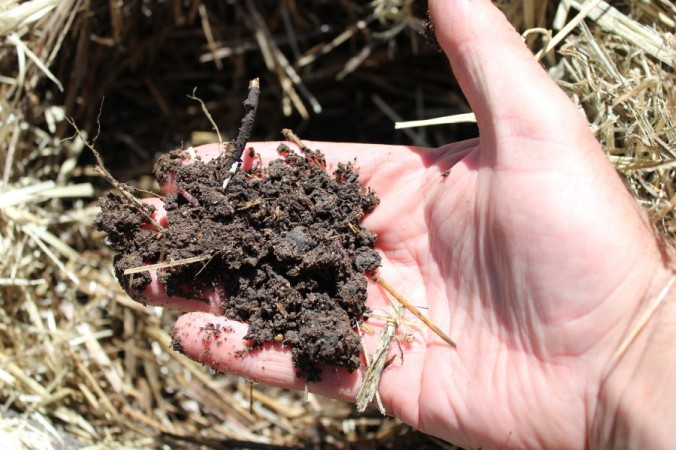
IMG_9268

    3.  WEED REDUCTION

Mulches reduce the number of weeds because seeds mostly need light to germinate and if they do, most will die before reaching the light.  Some will get through, though these should be weakened and easily removed.
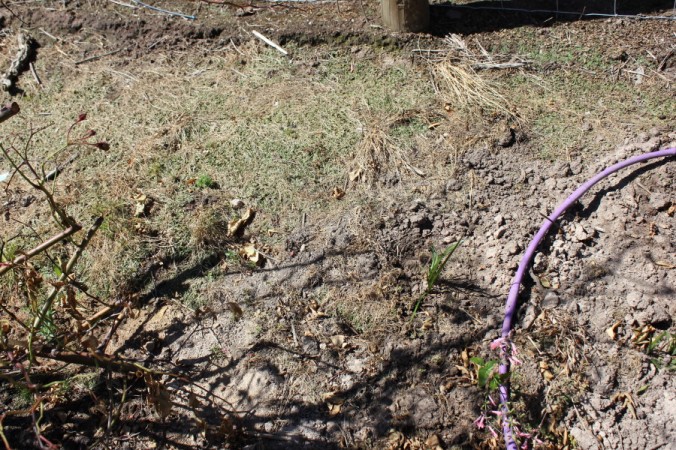
IMG_9305

Above and below you can see bare ground with some weed growth even after hand weeding and the soil is drying out as well.
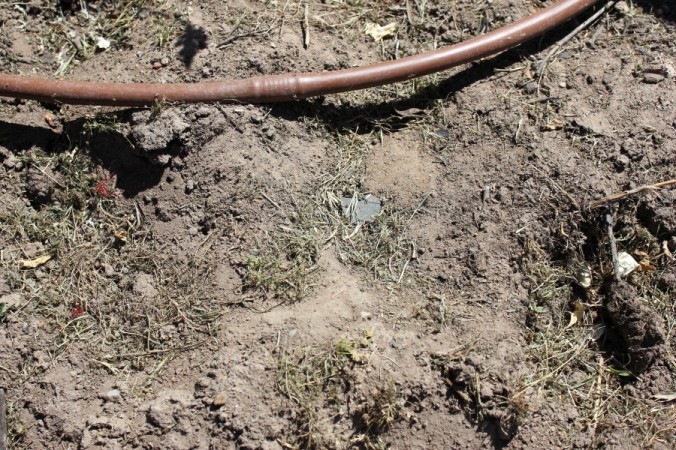
IMG_9272

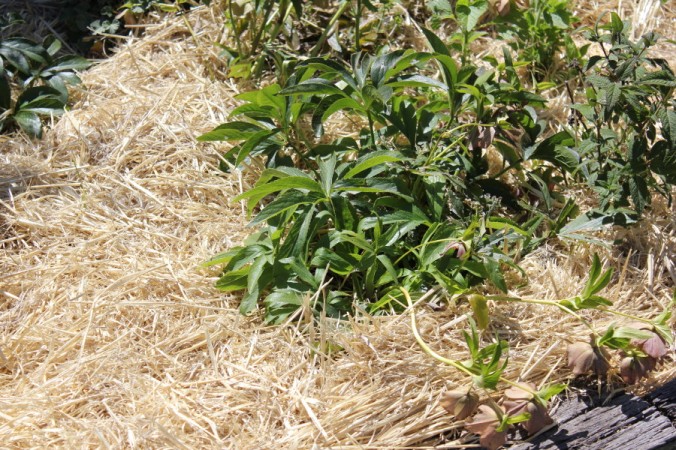
Picture below showing garden beds topped up with mulch
IMG_9271

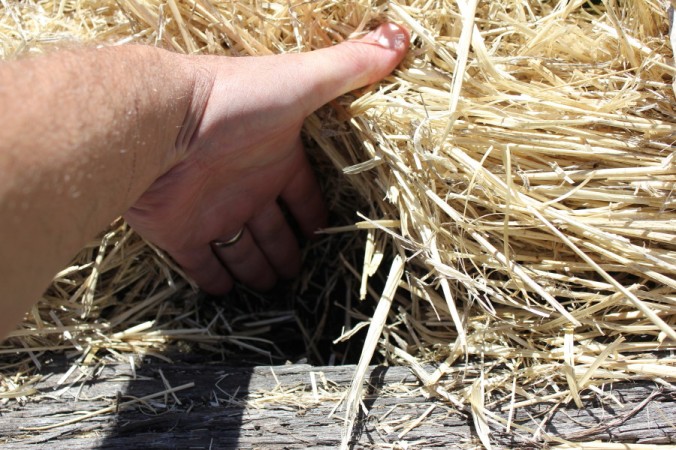
Below you can see the depth that I mulch to, it’s about 60-80mm thick.  Always remember to water area to be mulched well before applying it.  I find it useful to water  after mulching as well.  Seems to stick the hay together slightly which stops it from blowing around and deters the birds for a while as well!
IMG_9270

Of course there are always other effects of mulches, pros and cons of each as well.  Look into what you want to achieve, the look of it, maintenance of it, replenishing it.  Researching it will help determine whats best for you.  As you can see from the photo’s I prefer a straw/hay mulch.

IMG_0098

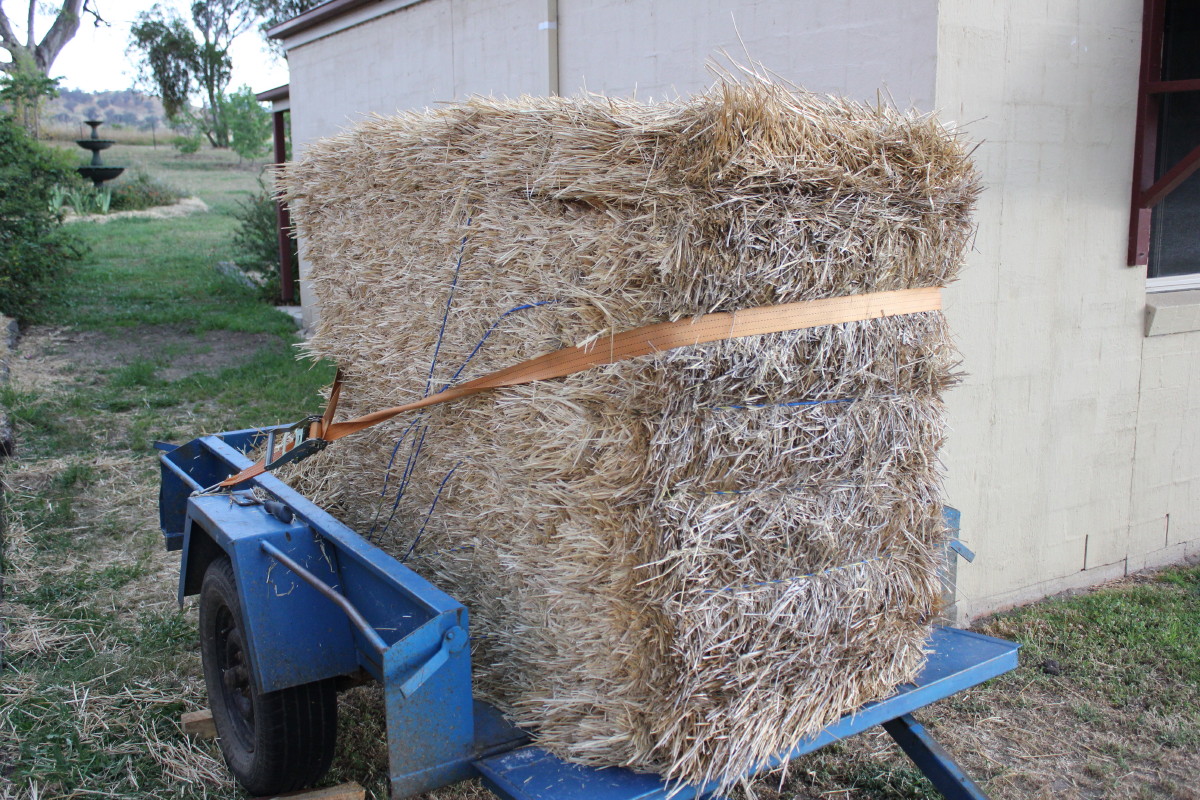
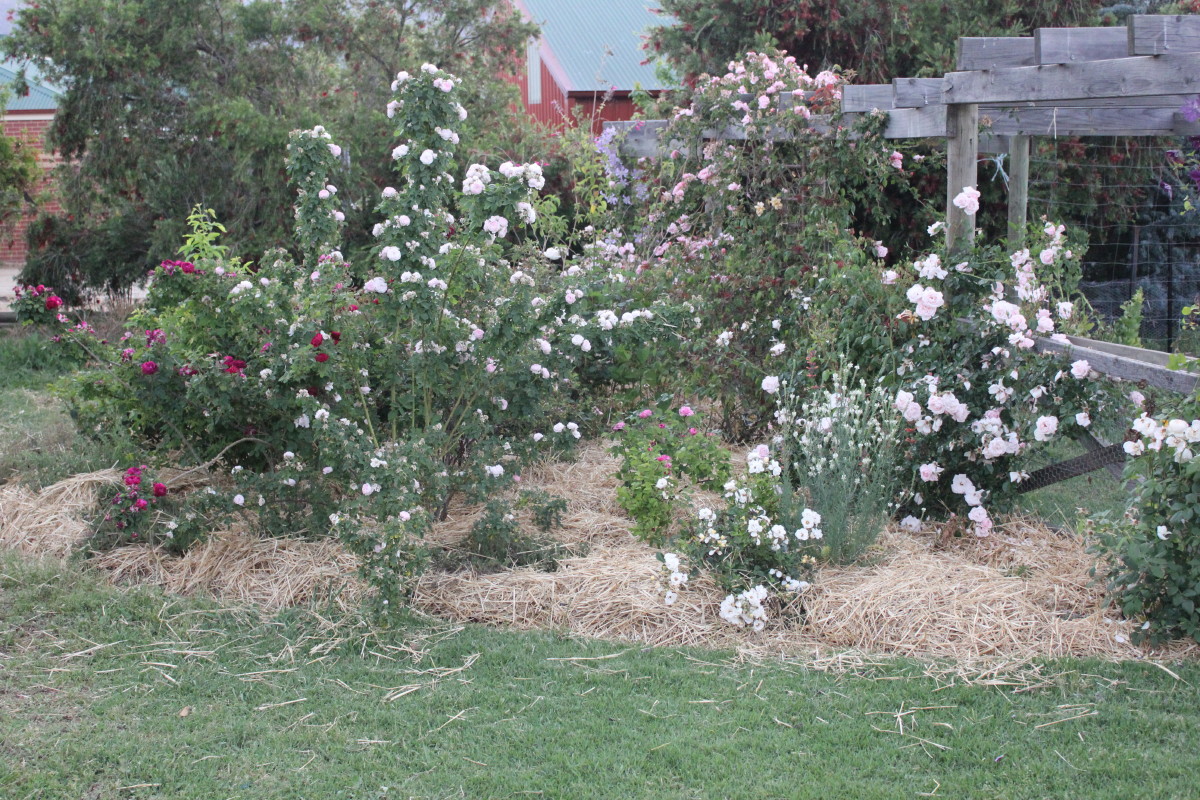
Above you can see a hay bale being put to good use, and below a freshly mulched garden bed.

IMG_0100_1

And another

IMG_0103

Always make sure that mulch is not in contact with the base of plants(around the stem).  This can cause rotting if it is.

The main thing is there are massive benefits to be had by mulching, and they include,

  • Less watering
  • Less weeding
  • Better soil health and structure (if using organic mulch)
  • Better plant health and growth (if using organic mulch)
  • LOWER WATER BILLS!

We always look at the bottom line in the end and it tells us there’s certainly much ado about mulching!

Cheers!

A gaggle of Geese!

Hi There!

Clematis are a beautiful group of plants and I have a few in my garden which are always stunning when in flower.  I thought I could find a collective noun for them, but to no avail.  A conglomerate of didn’t sound right because their not taking over the world, a gaggle is already used by those pesky Geese, herd and other equivalents are taken by animals, tree’s get a stand.  Fleet and flight are well and truly spoken for, herd and pack are no better.  I have it!  A Cling of Clematis.  Cling because a lot of them cling to other plants to scramble up and about.  No doubt incorrect, sounds alright though.

Moving right along, Clematis is a genus of approximately 300 species from the buttercup family Ranunculaceae.  They became popular from round about 1862.  They are mostly woody climbing vines but some species are shrub like and some are herbaceous perennial plants.  There are both deciduous and evergreen species.  Leaves are opposite and divided into leaflets and leaf stalks that curl and twist around other plants or structures to anchor the plant.  They are mainly found throughout the temperate regions of the northern hemisphere although there are species in Australia and New Zealand as well.

They prefer to have the base of the plant in shade( a cool root zone) and the top half in full sun.  The plants we see are normally the big showy cultivars and there are hundreds and hundreds of them.  The smaller flowered species though will show their subtle beauty as well and are well worth growing for something a bit different and interesting.

This has been just a quick over view of them and here is my Cling of Clematis.  Enjoy!

Cheers!

Roses, Spring 2013, Part 3

Hi There!

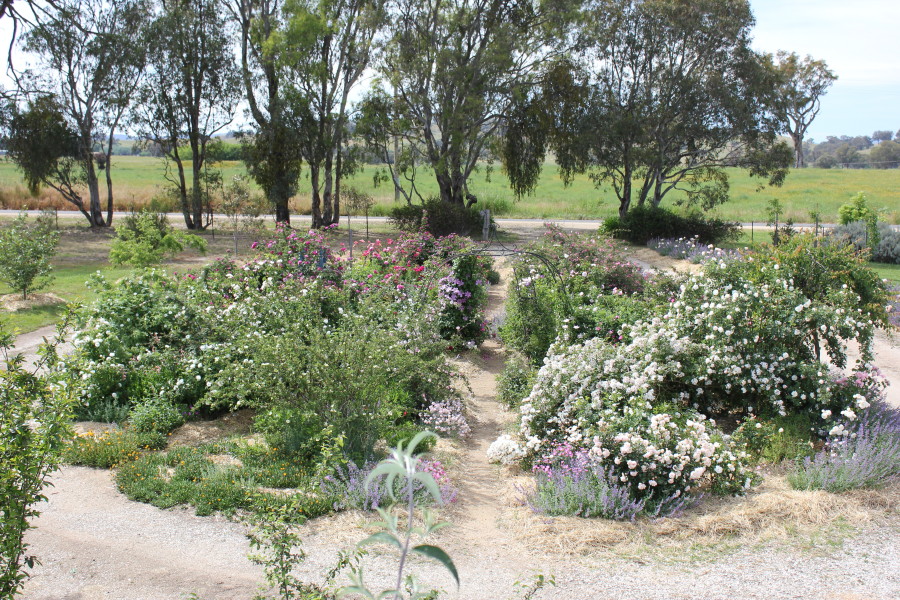
The Roses are continuing to come into flower and my finger seems to have a twitch in it when its near the shutter button on the camera, so hope you enjoy these photo gallery’s.  For your information they can also be found on this website under Photo Gallery.  A lot of my photo’s can also be found on FLICKR under the profile(name) JACBD.  You can also click on the photo’s in the right hand column on the home page of this site and it will take you to my FLICKR photo stream.  Here’s a few more photo’s for you to enjoy.

Cheers!

Spring 2013, Part 2

Hi There!

Spring is a magical time of year, it’s usually when an abundance of plants are at their best and if the weather is kind they will put on a great show.  Today the weather is odd for this time of year, its cloudy and raining and cold(about  17 deg C).  Forecast for the rest of the week is some rain and temperatures hovering just below or above 20 degree’s C.  Normally we would expect anything from mid to high twenties to low to high thirties.  I’m enjoying the cool weather but I know plenty of you wont be.  Here’s a few more photo’s of the garden and plants in flower.  Enjoy!

Cheers!

Your Reminder

Your reminder, should you wish to be reminded is to attend the Huon Perennials Open Garden Days that are coming up real soon.

IMG_5513

There will be,

  • A Garden to enjoy (still in development)

  • Nursery Sales

  • Plant giveaways 

When: Saturday the 2nd, Monday the 4th and Tuesday the 5th of November 2013.

Time: 10am-4pm

Where: 65 Huon Road, Tangambalanga, Victoria.

Contact: Alan 0419884613

Entry is FREE!

Hope to see you there!

IMG_5423