A splash of colour

Hi There!

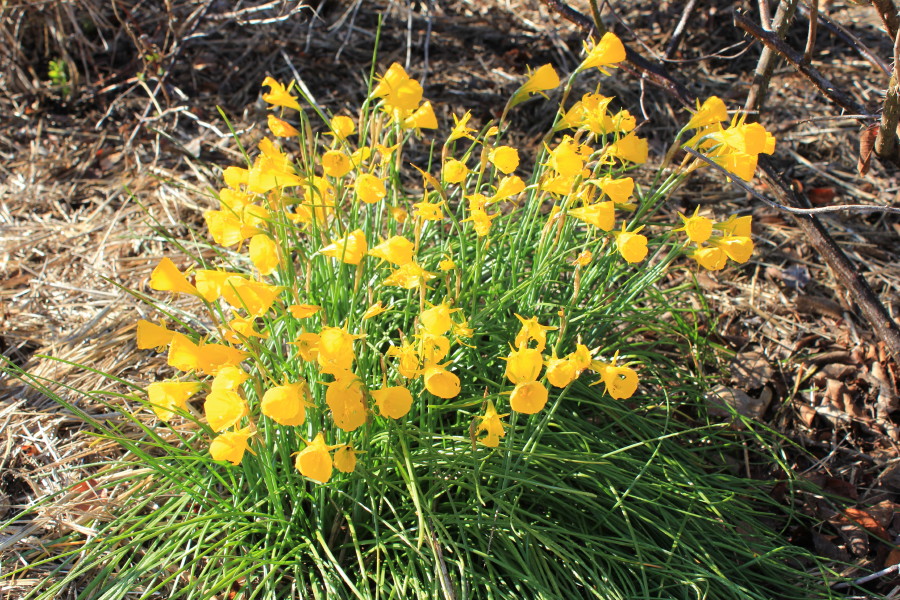
Winters run has finally come to an end and we seem to be firmly in spring weather patterns, according to the bureau that is.  So to see winter off, here’s some cheery daffodils doing what daffodils do best.  Looking cheery that is!

IMG_2619

IMG_2623

Below you can see this beautiful daffodil, click here to read more about it.

IMG_2628

Cheers!

Collared Sparrowhawk

Hi There!

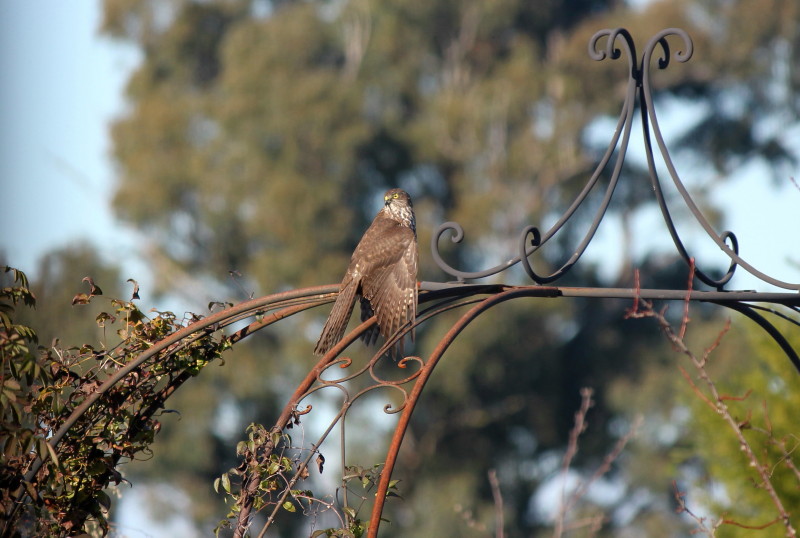
A recent visitor to the garden was a Collared Sparrow Hawk. Accipiter cirrhocephalus is his botanical name.

IMG_2323.1


He flew in and sat on the rose arbour for a few minutes then decided to move on.  As his common name would suggest, the Collared Sparrowhawk feeds on small birds, the largest recorded bird taken has been crested pigeon and spotted bowerbird.

They grow to roughly 29-33 cm with a wingspan of about 55-78 cm.  They also have a square tail, yellow eyes and long legs.  Colour is slate grey with a brown wash occasionally with a chestnut half collar.  Undersides are finely barred rufous and white.  Legs are prominently yellow as you can see below.

IMG_2329

Found throughout Australia and New Guinea in all habitats except for dry deserts.

I have occasionally seen tree’s full of sparrows suddenly make a racket and fly of furiously in all directions only to then see a hawk of some description fly off.  Obviously it has glided in at a fast rate of knots, been successful or not in its catch and take off in another direction.  Of course this happens in a matter of seconds or less.  I can only assume it might have been a Collared Sparrowhawk.  Watch out!  He’s got his eyes on you.

IMG_2325

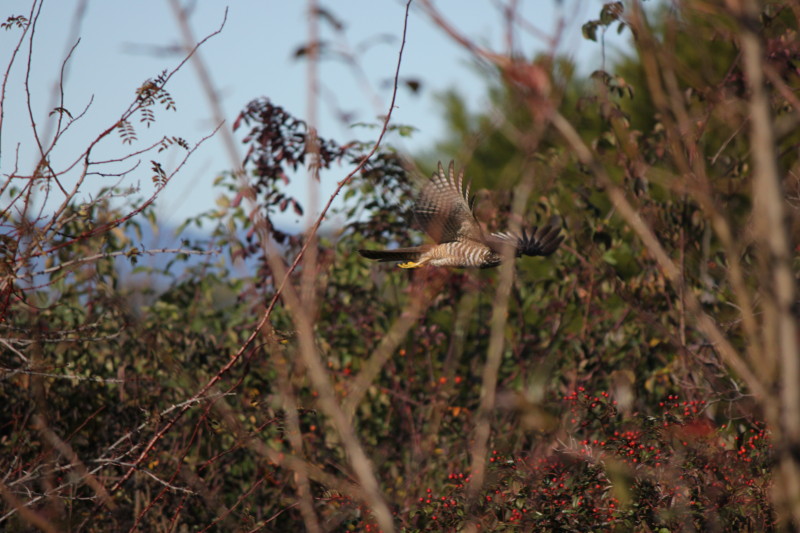
Finally, here he is on his way, sorry I couldn’t get a clear shot of him, he just sort of leaped into the air and was off.

IMG_2330

Look how his feet and tail are horizontal and in line with the body.  Simply just an elegant outline.  Glad to have these amazing creatures pop in for a short visit now and then.


Cheers!


What is…….

Hi there!

What is a waste product produced by plants?

Any guess’s???

Not sure, don’t know, couldn’t care less, whatever, LOL,.

I’ll narrow it down for you with 3 multiple choice answers.

Is it,

a. mycorrhizal association with fungus

b. autumn leaves

c. oxygen


If you picked a or b you would be wrong.  The answer is c.  Yes I know, hard to believe, oxygen a waste product produced by plants.  Thank goodness they produce waste!

How is this possible?  Without getting too technical, during the process of photosynthesis(plants making food for themselves using sunlight, carbon dioxide and water) the chloroplasts(specialised structures) inside leaves contain chlorophyll(green pigment that makes leaves green) which absorb energy from sunlight.  This absorbed energy is used to join the carbon dioxide and water together to form glucose.  The plant then uses this glucose as its energy source.  The oxygen which is a waste product from this chemical reaction is then released into the atmosphere.  Who would have thought!!

Plant a few and look after them….

Cheers!

A collection of snares and droplets

Hi There!

I love this time of year when the days are nice and mild, the nights are cool, the mornings are foggy and there’s a heavy dew.  It reveals the snares created by spiders(their webs) and the dew droplets that hang precariously from them and plants.  Sometimes they just look fake because their so odd-looking.  For this little show of nature you need to be up early or else you will miss it.  Next time its foggy, get out there early and have a look because you won’t see this show during the day.

Cheers!

A collection of Salvia leaves

Hi there!

When people find out that I grow a lot of Salvia’s, most of them think that I have a lot of the annual ‘Bonfire’ Salvia.  Not so!  There is not one ‘Bonfire’ Salvia in my garden.  I suppose it doe’s have its place in a garden somewhere though.  There is approximately 900-1100 species of Salvia around the world, this depends on what literature you read.  Then there’s countless thousands of hybrids and cultivars with an amazing array of names.  Below I have included just a few pictures of the leaves of Salvia’s to show you how varied they are.  They range in size from a couple of millimetres to 30cm, from silvers/greys to bright/dark greens and other colours, glossy to furry which makes them look white,, from entire leaves to heavily serrated jagged leaves, crazy shapes and more.  If you were to have a look at every Salvia, I’m sure there would be even more interesting leaves than the one’s I have.  Leaves can tell us lots of things, what habitats there from and the conditions they like and many more things.  Anyway, check out these Salvia leaves from my garden.

Cheers!

Mt. Kosciuszko

Hi There!

It may have seemed that I had disappeared into thin air for the last couple of months, but after Christmas/New Year, shopping for a new car, a new job and trying to get the garden back into shape, I’m back!  A few weeks back we made our way to the highest point on this continent/Island/The land down under/Australia/Home or whatever you want to call it.  Mt Kosciuszko is 2228m tall and was named after the famous Polish freedom fighter.  On the 15th of February 1840 the polish explore Paul Edmond Strzelecki ascended this mountain and named it.  It is highly unlikely that he was the first person to do so because Aboriginals from different parts came here for thousands of years to feast on the Bogong moths that congregate here in summer.  Stockmen also climbed in this area in the 1830’s looking for grazing land.

IMG_0761

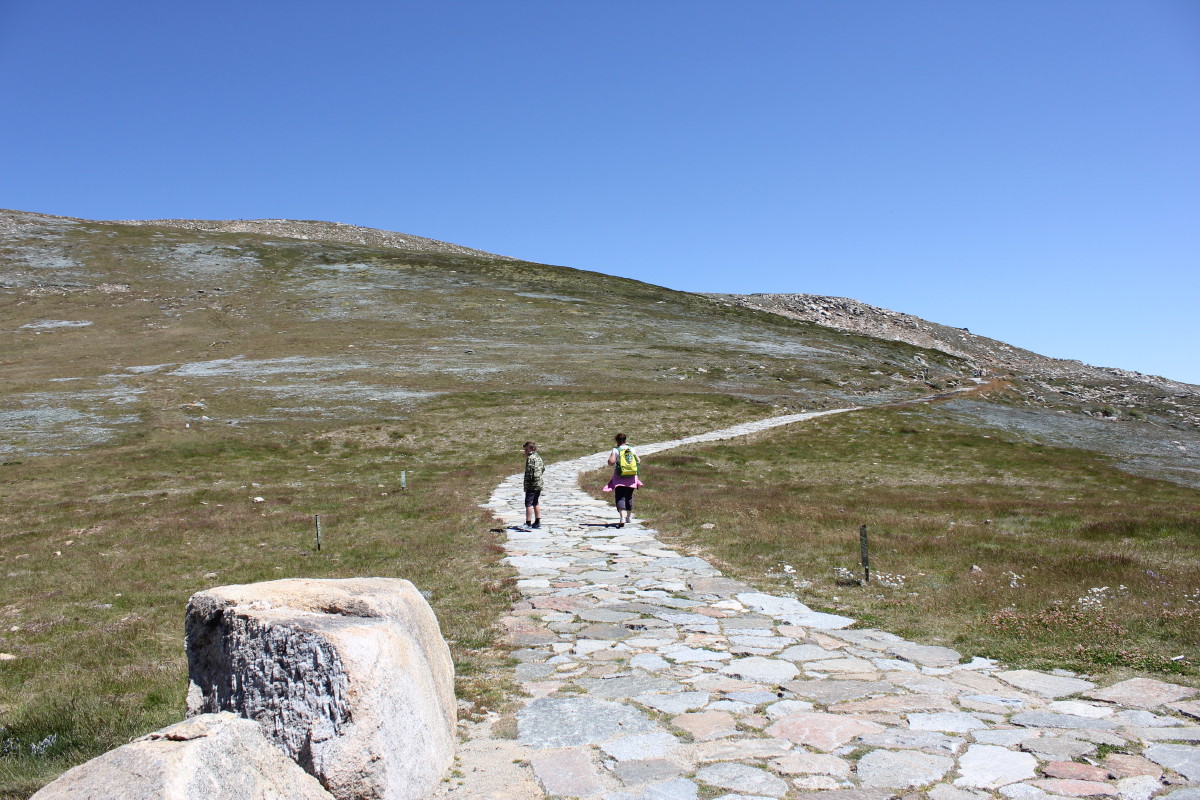
This is the easy way up from Thredbo before you start the 6.5km walk to the top.

IMG_0763

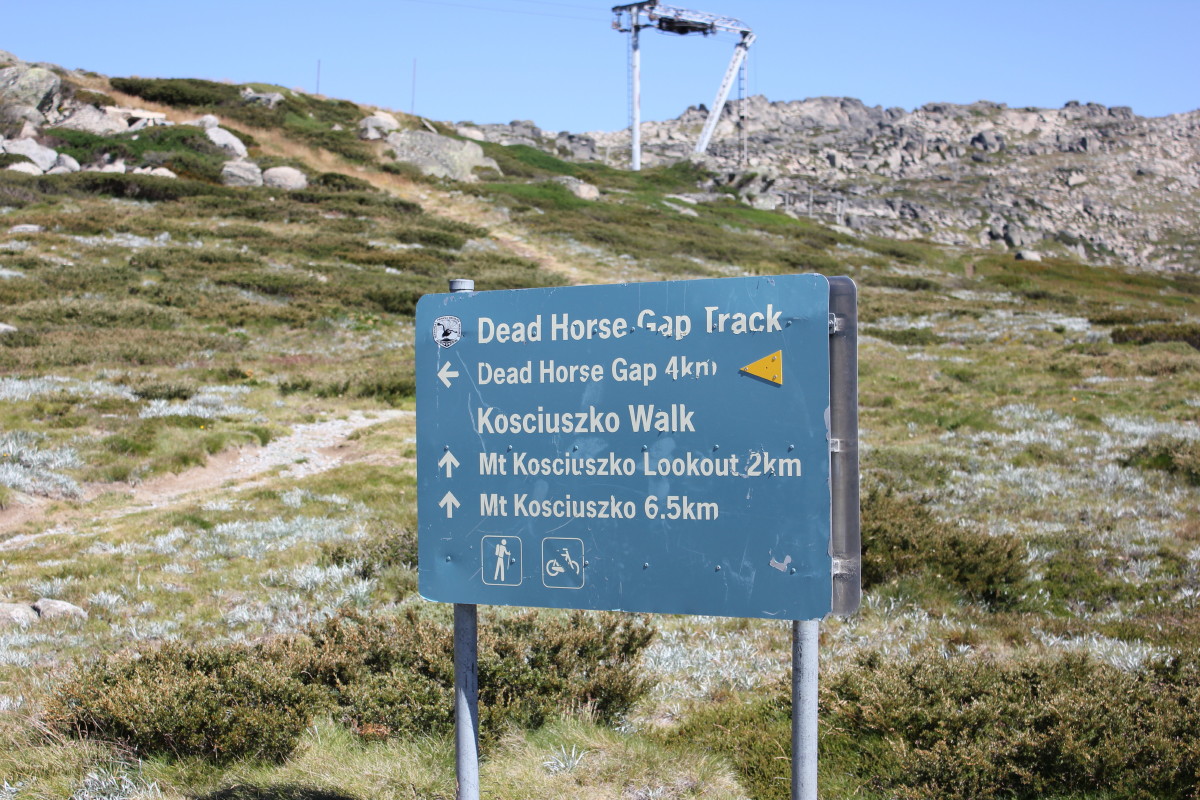
Well, here we stand contemplating the sign.  Do we go to the lookout or do we go all the way?  Lets go all the way!
IMG_0799_1

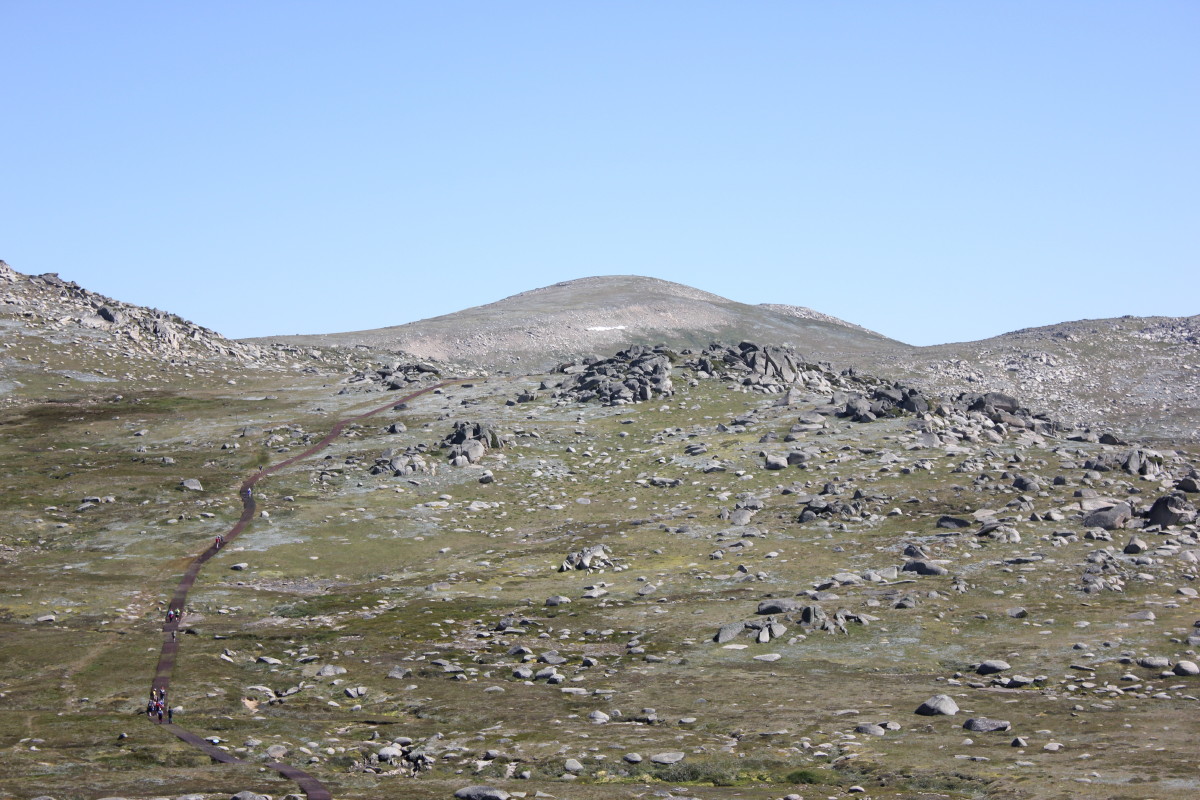
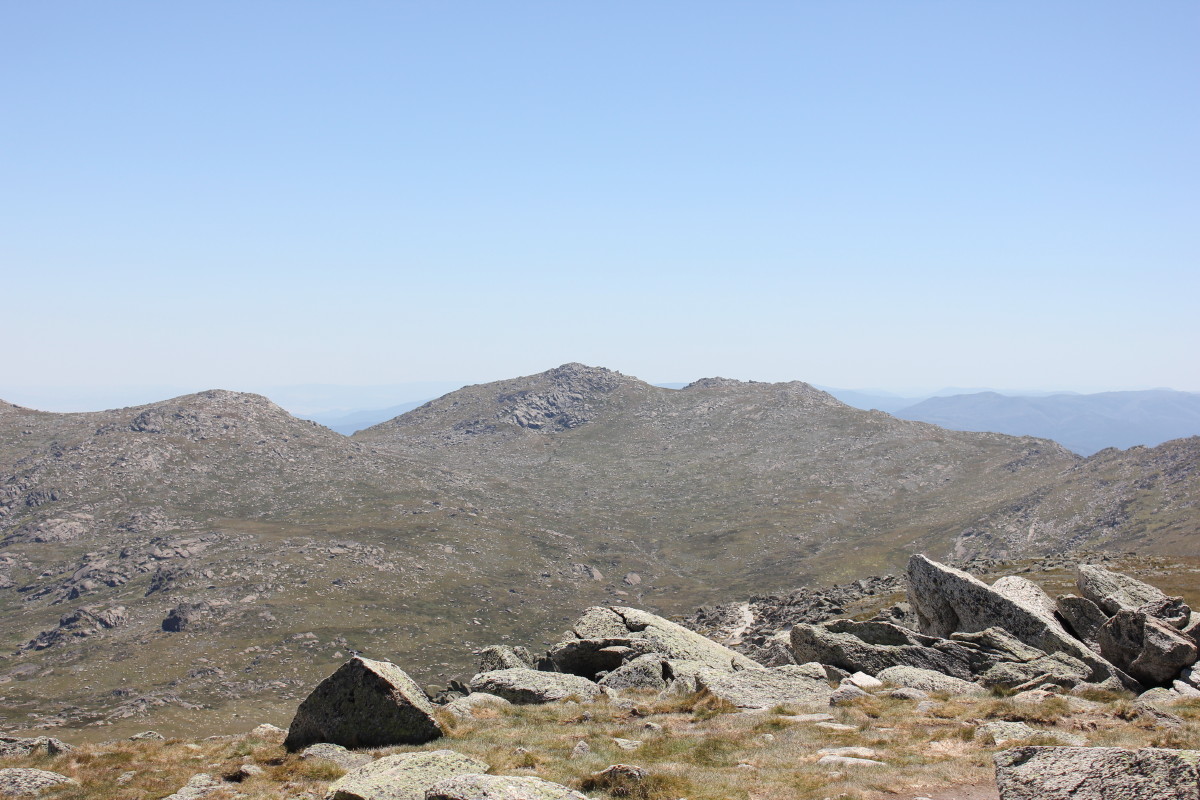
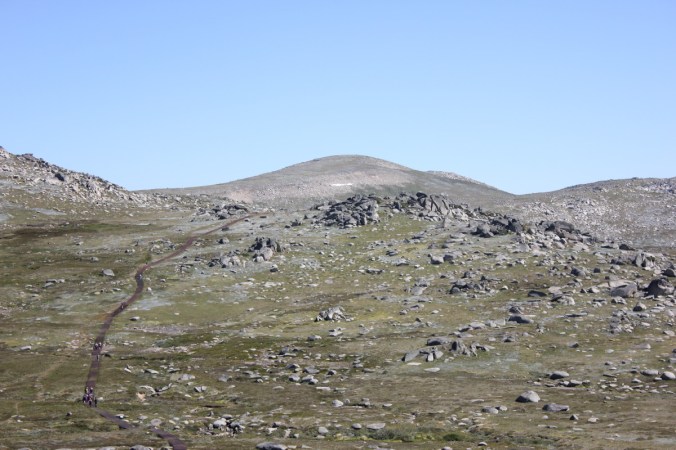
It’s a very interesting and spectacular place which is quite rocky and barren.  But when you look closely the plains are covered with alpine grasses and plants.  Mt Kosciuszko can be seen in the above photo.  It’s the little bump behind the big bump.  4.5km’s to go!

IMG_0773

IMG_0779

IMG_0769_1

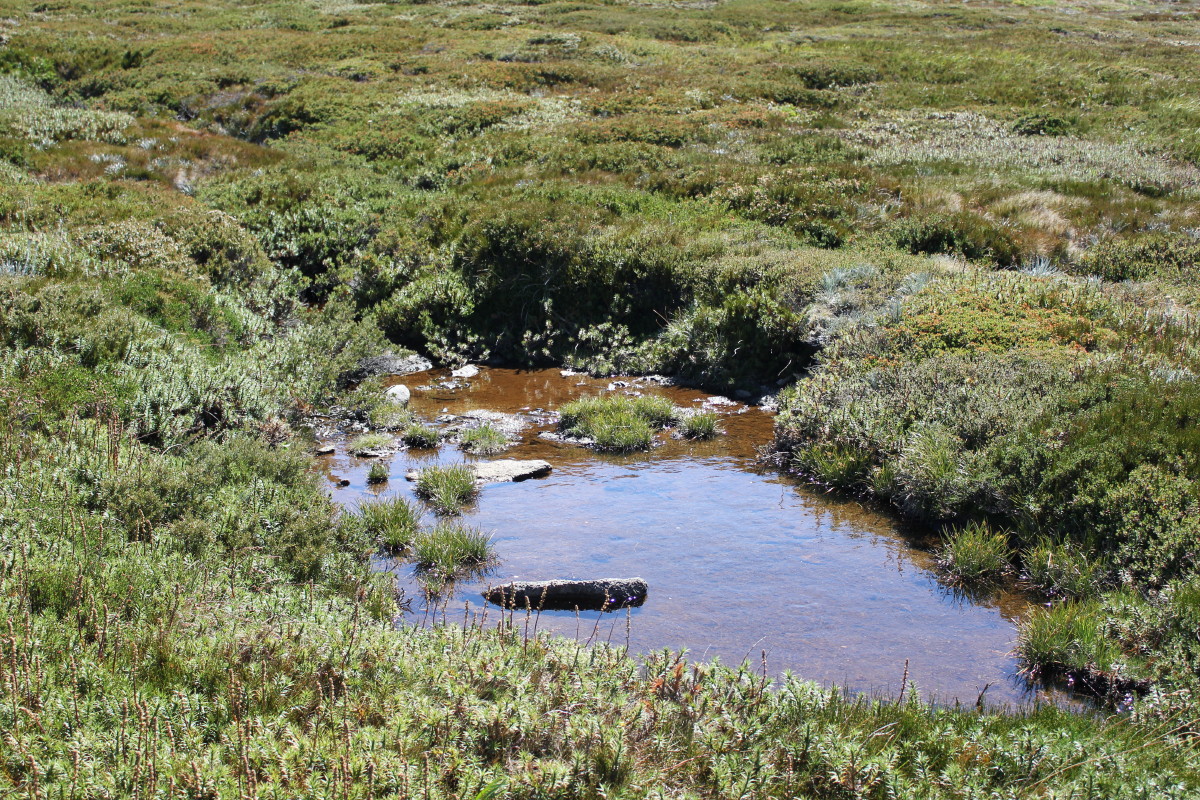
So you can see that plant life is quite abundant and typical of alpine climates, hugging the ground.

IMG_0781

Look how this shrub is hugging the granite boulders.  Almost creeping over  them like a groundcover.  This may be the Alpine mint bush, Prostanthera cuneata.

IMG_0811

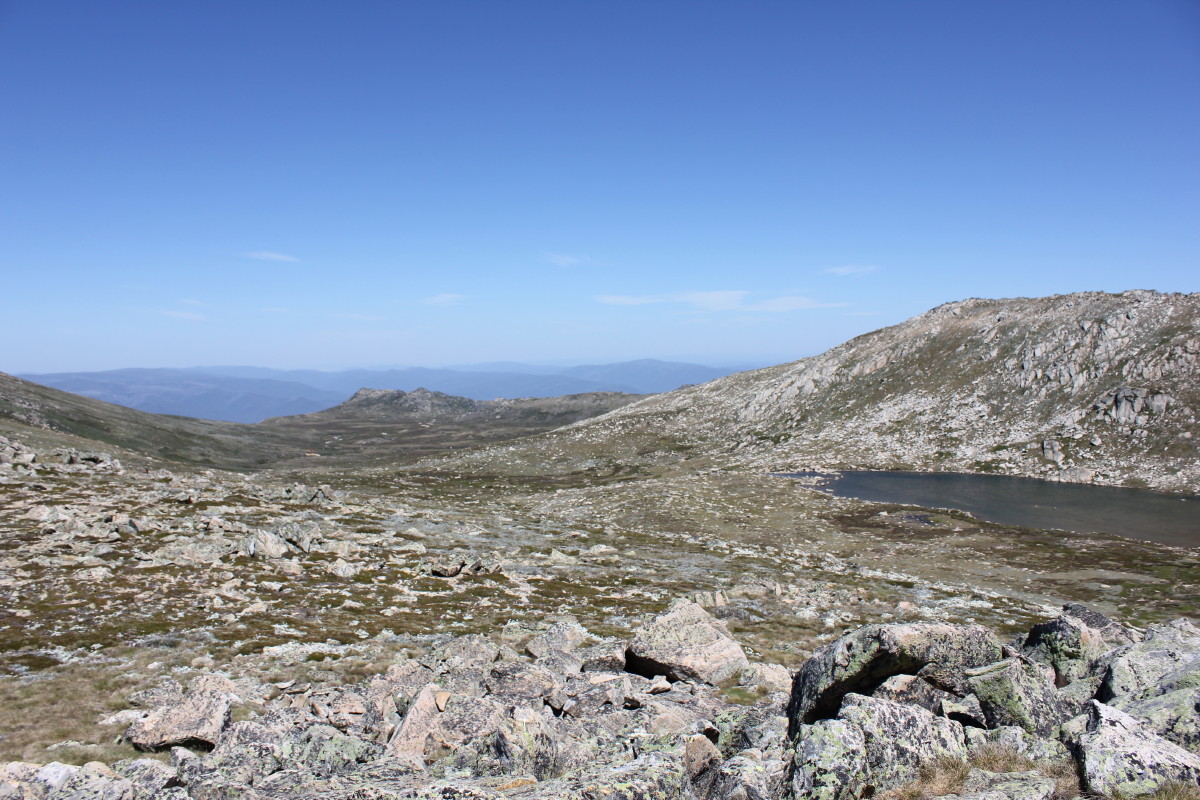
Here’s the highest lake in Australia, Lake Cootapatamba.  Only small but the highest.

IMG_0810

And the path go’s on and on and on and….  Notice how its a raised steel grid, this is to protect the delicate environment up here where literally thousands of people walk every year to get to the top.

IMG_0798

IMG_0822

Rawson’s Pass, finish line nearly in site!

IMG_0823

IMG_0831

Ah Yes!  That’s me at the front looking enthralled while our youngest child enjoys the easy way up.
IMG_0842

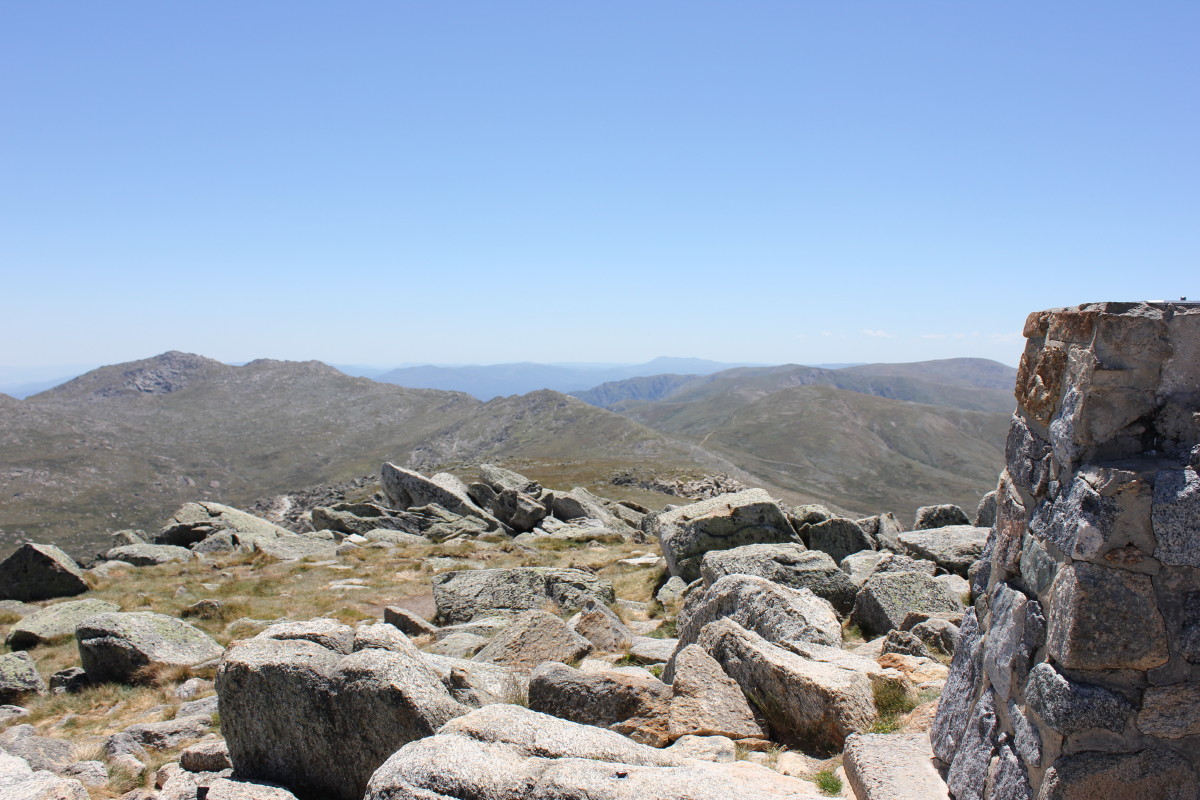
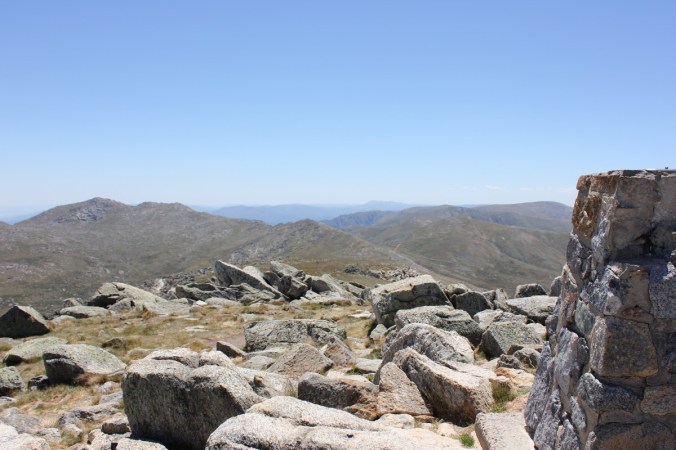
Here we are at the top, I know it’s not very high at 2228m but we can’t go any higher on this great southern land.
IMG_0843

IMG_0838

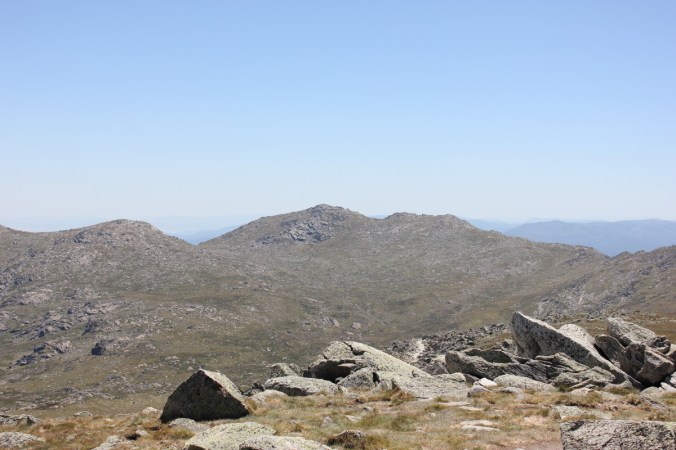
All the hordes of people at the top taking a breather, Charlotte pass track can be seen on the ridge.

IMG_0860

On the way down.  I like how the hills just roll away in the distance.  Black hill in the middle left of photo is where there was a bushfire in 2003.  White trunks of dead gums left standing.

IMG_0876

Here’s some wildflowers, this one is Chionogentias muelleriana subsp. alpestris also known as the Mountain Gentian which only occurs here in the Kosciuszko National Park.

IMG_0814

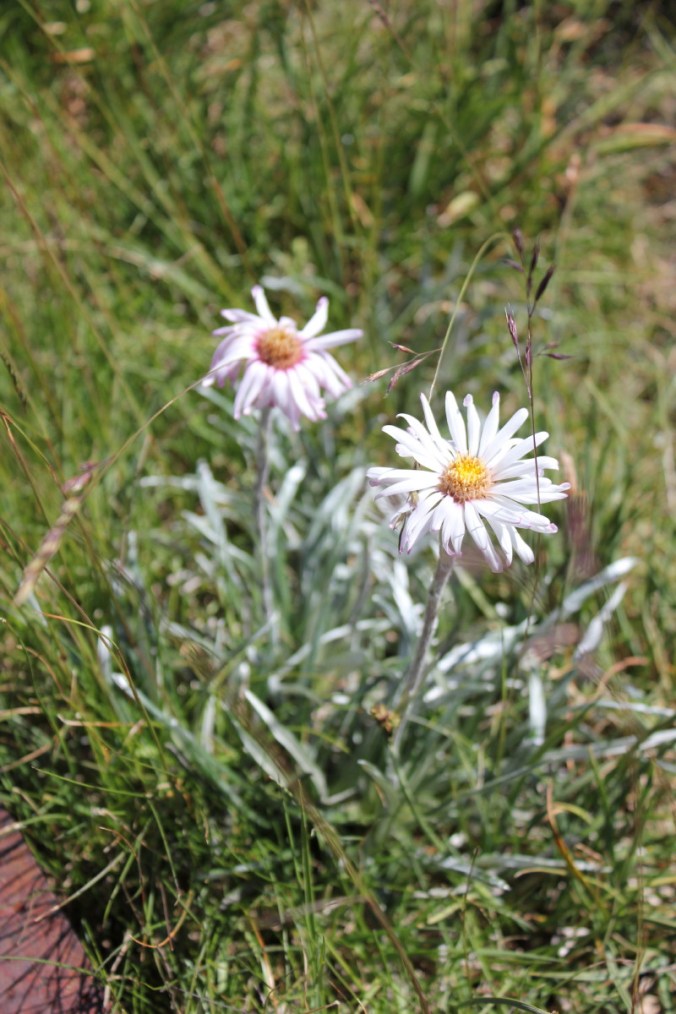
Above are Leucochrysum albicans subsp. alpinum which are also known as Alpine Sunrays, these were quite prevalent the higher you got, beautiful!

IMG_0866

IMG_0786

This is Celmisia longifolia, quite beautiful as well.

IMG_0767

On the way back down across the plateau.

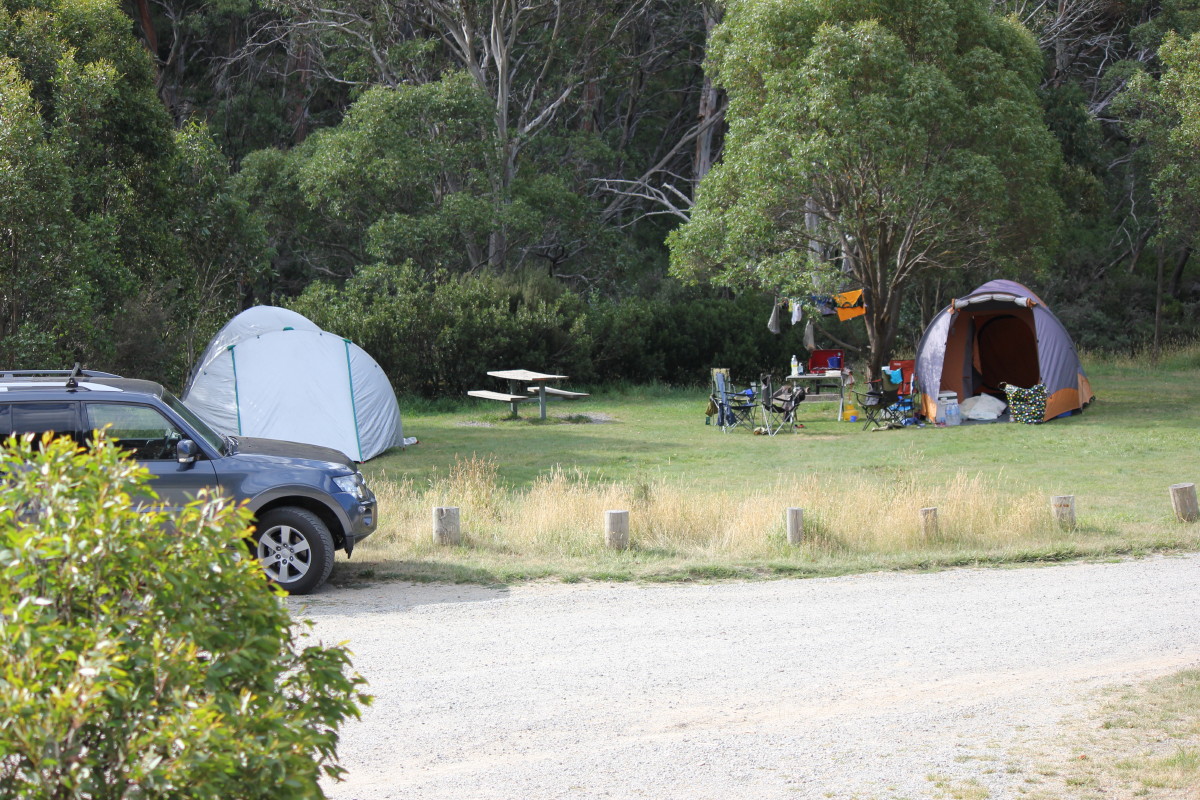
We camped the other side of Thredbo at a little campground called Ngarigo beside the Thredbo River, quite beautiful serene and peaceful.

IMG_0685

IMG_0647

IMG_0752

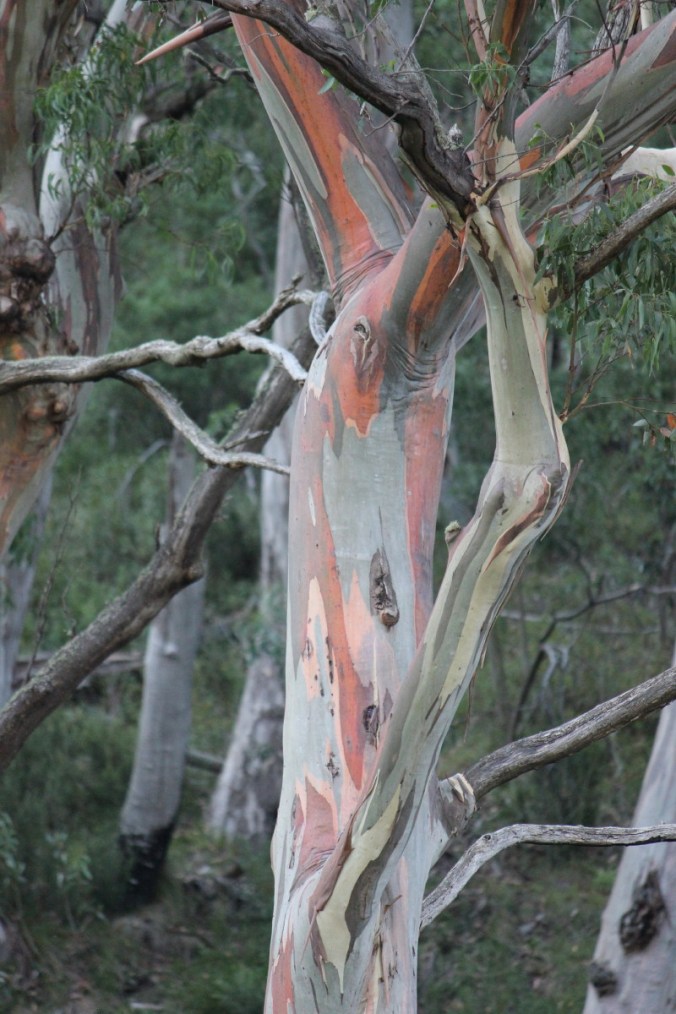
Here’s a gum tree with quite remarkable trunk colour.  Anyone who know’s about Australian folklore will know about Brumbies(wild horses basically) and on the way home not far from Thredbo is Dead Horse Gap which is a well-known sighting spot of Brumbies.  This is what we saw!

IMG_0892

There was a pure black one as well but he wasn’t co-operating with me.

IMG_0897

Ah well!  Time to go home….

Cheers.
Along came a spider..

Hi there!

Hope you have all survived the start of the new year and broken all those new year resolutions you have made.  Here’s a tip, they can be made anytime of the year and need to be followed through.  Don’t procrastinate like me!  To the matter at hand then.

Latrodectus hasseltii

is the scientific name for a certain type of spider which is quite common in this country and likes to live close to humans.  It loves to build nests in dry spots like kids toys, old tyres, sheds, empty tins and under metal, dry spots anywhere really and in the outhouse of course.  Please check under that toilet seat!  I’m pretty sure by now you know that I’m talking about the Redback Spider.

IMG_0438

It was quite common to find them in the Outhouse(outside toilet).  Historical data shows that bites were common on the genitalia of victims until toilets were moved into houses.  Ouch! Data shows that now most bites are on the fingertips then arms and thighs, trunk and then head and neck.  Bites on the head and neck have increased since the use of safety helmets and earmuffs.  Make sure you check them before putting on!!!!

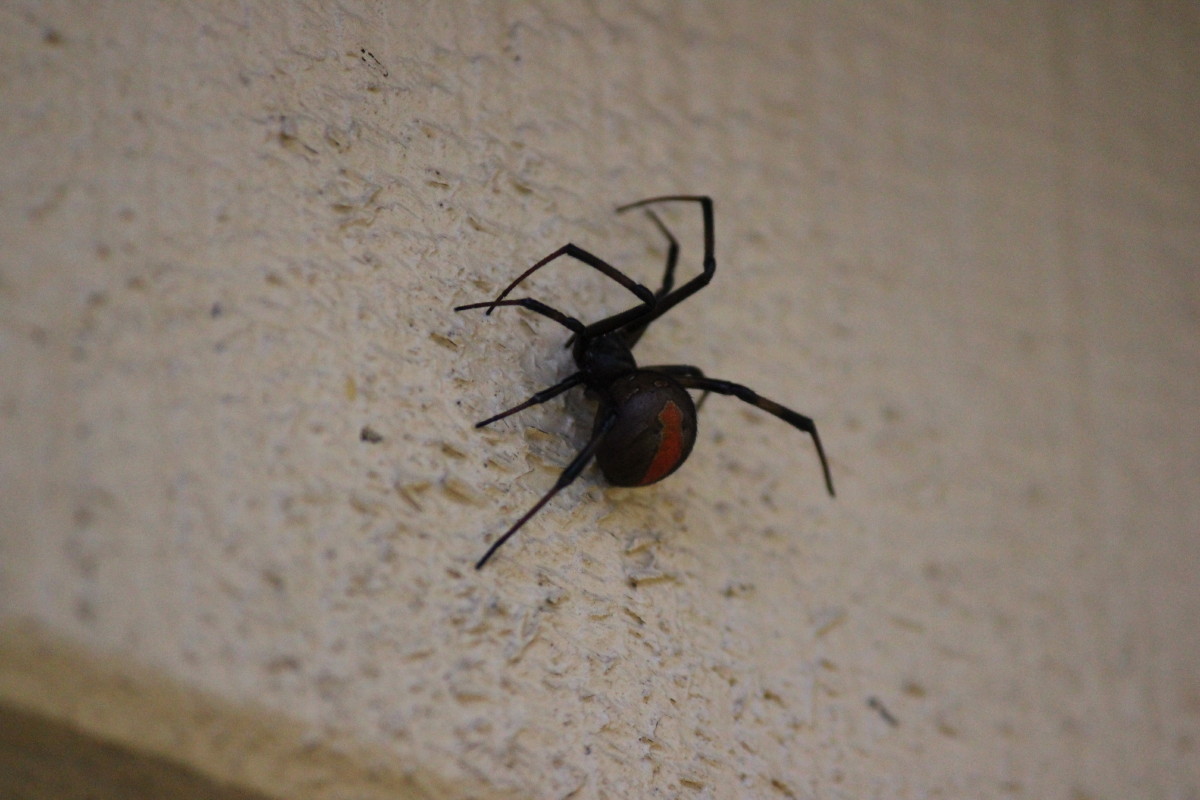
I found somewhere between 4-8 under a kids slide the other day.  I wasn’t concerned about the exact number, just wanted to get rid of them all. The Redback and its relatives in the genus Lactrodectus are among the most dangerous spiders alongside the Funnel Webs and others.  Well wouldn’t you know it we have both those here.  The Redback is responsible every year for more poisonous bites than any other venomous creature in Australia, and yes we do have lots of nasty creatures.  Estimates are over 2000 bites per year and nearly all of these are caused by the female because of its large size in comparison to the male Redback.  Here’s a female below lurking under a slide.

IMG_0358

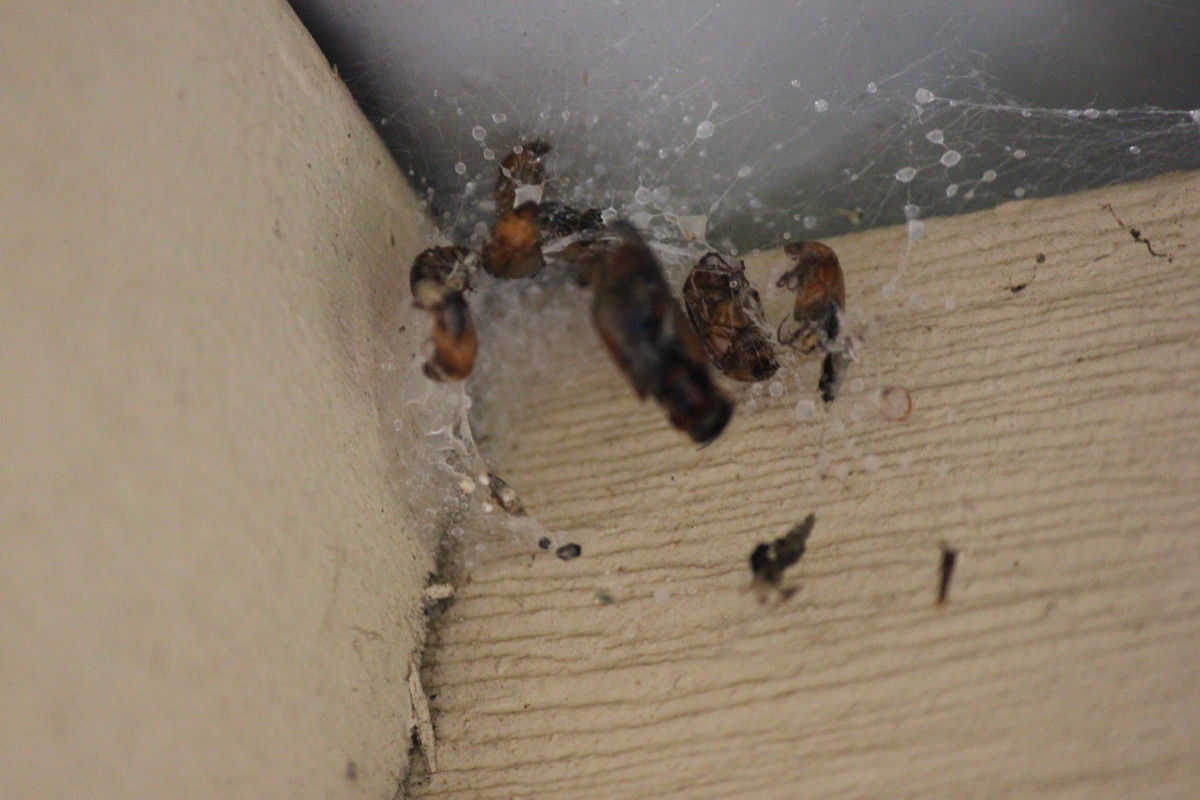
Here’s the good news.  Since the antivenom was introduced in 1956, no human has died directly from a bite.  Although 12 people have been killed prior to 1956 due to Redback bites.  The female has a body about 1cm long with the first pair of legs longer than the rest.  The round abdomen is black(sometimes brown) with a red stripe(sometimes orange).  The male in comparison is only 3-4mm long and light brown in colour with white marks on the upper surface of the abdomen and a pale hourglass mark on the underside.  Females always get the looks don’t they!  Redbacks are mostly nocturnal and remain concealed during the day with the female spinning her web during the night.  Females also usually remain in the one location for the majority of their adult life.  The web is an irregular tangle of fine strong silk.  The rear part of the web forms a funnel, this is where you will find the spider and its egg sacs.  You can sort of see the funnel shape below behind the unsuspecting insects who are no more.

IMG_0435

Redbacks like to feast on insects, sometimes larger animals are ensnared in the web.  Once trapped in the web, the victim is sprayed with a substance a bit like superglue to immobilize it.  It is then repeatedly bitten and trussed and taken into the web where its liquified insides are sucked out.  Here’s another view of the spider.

IMG_0430

Redbacks are one of only two known animals where the male actively assists the female in its death during mating.  During mating the male moves its abdomen over the females mouthparts.  In most cases the male is consumed while mating.  Those males that are not eaten during mating die soon after from their injuries.  Hmmmm.  This is a dangerous beast!

IMG_0362

These little beasts have now been found in small colonies in parts of New Zealand.  They have also been seen in United Arab Emirates, greenhouses in Belgium, Preston in England.  Two were discovered in an Iranian port city.  Some observations indicate that they could be present in New Guinea, India and the Philippines.  Osaka, Japan have colonies, also Fukuoka city.  Many hundreds have been found at the container terminal in Fukuoka.

IMG_0433

Yes, it’s a scary looking creature, yes, it’s a dangerous creature, yes, it’s a fascinating creature, and yes, you should wear gloves in the garden.  Remember this, no one has died from this spider since 1956 but you may be a little sore and sorry though if you do get bitten.  Watch out!!

IMG_0356

IMG_0439

Cheers!