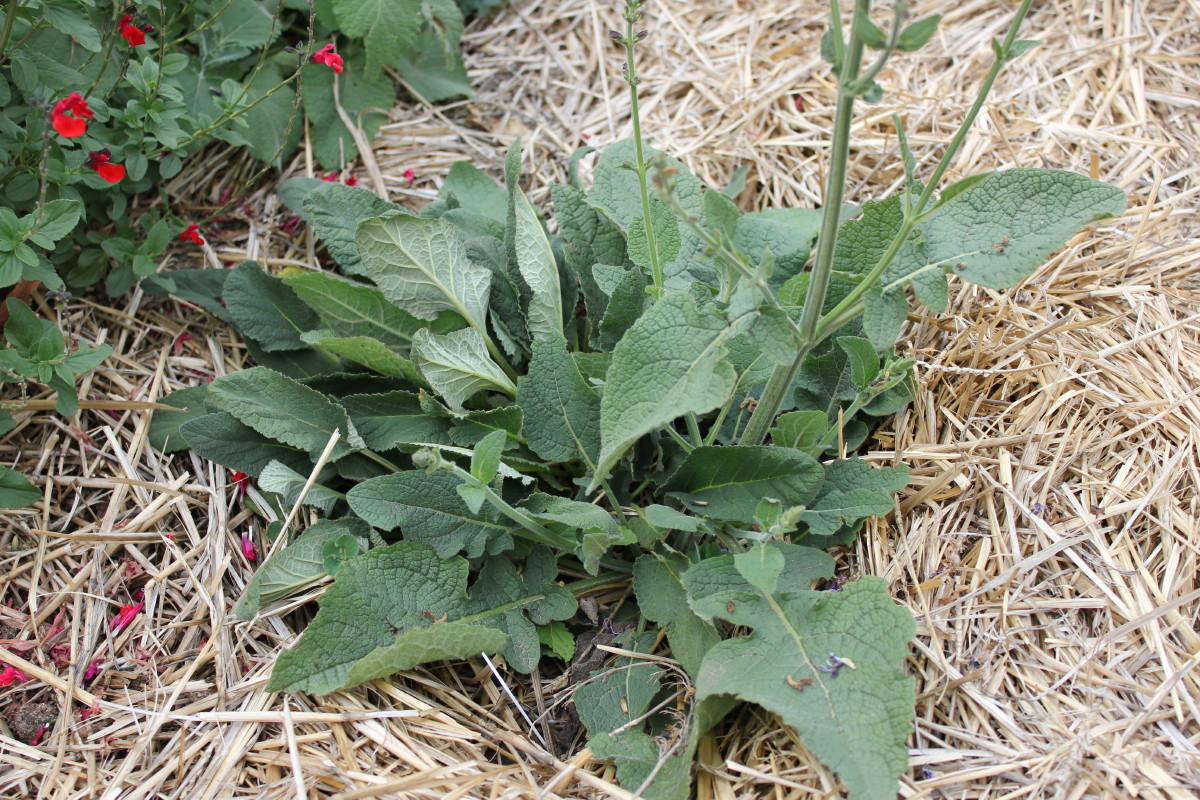
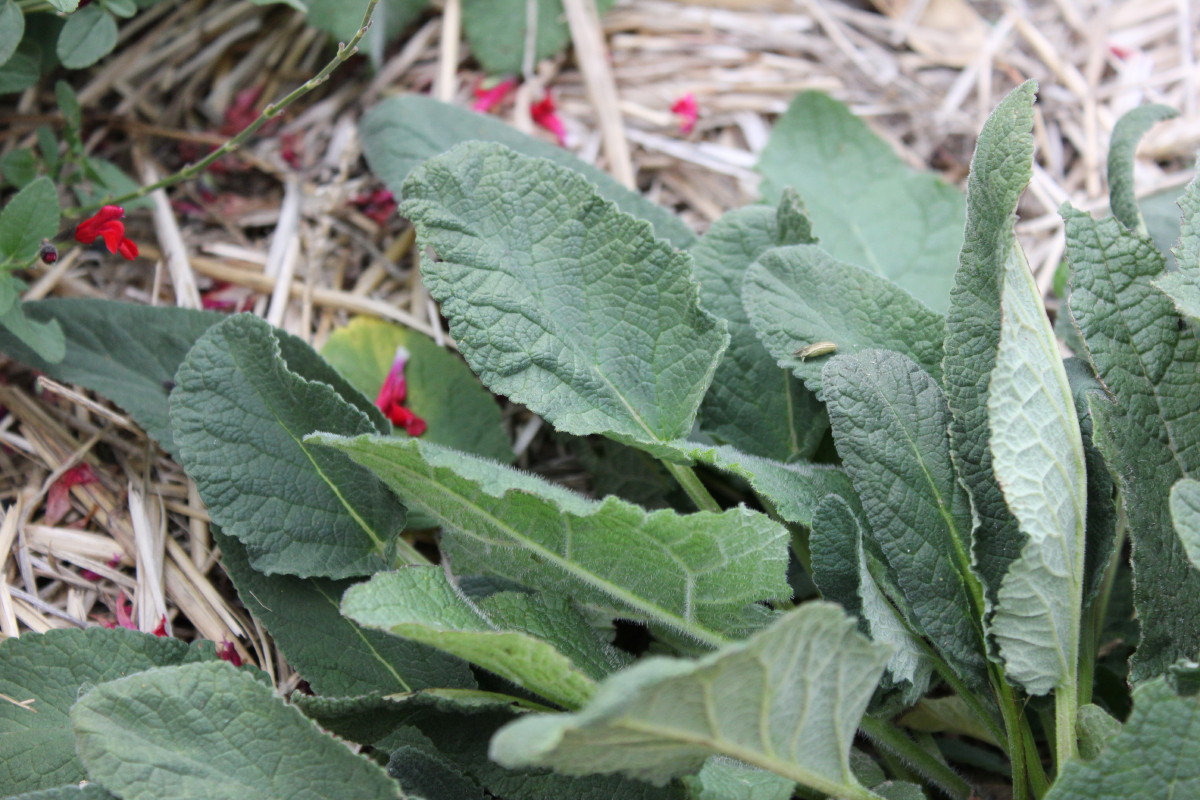
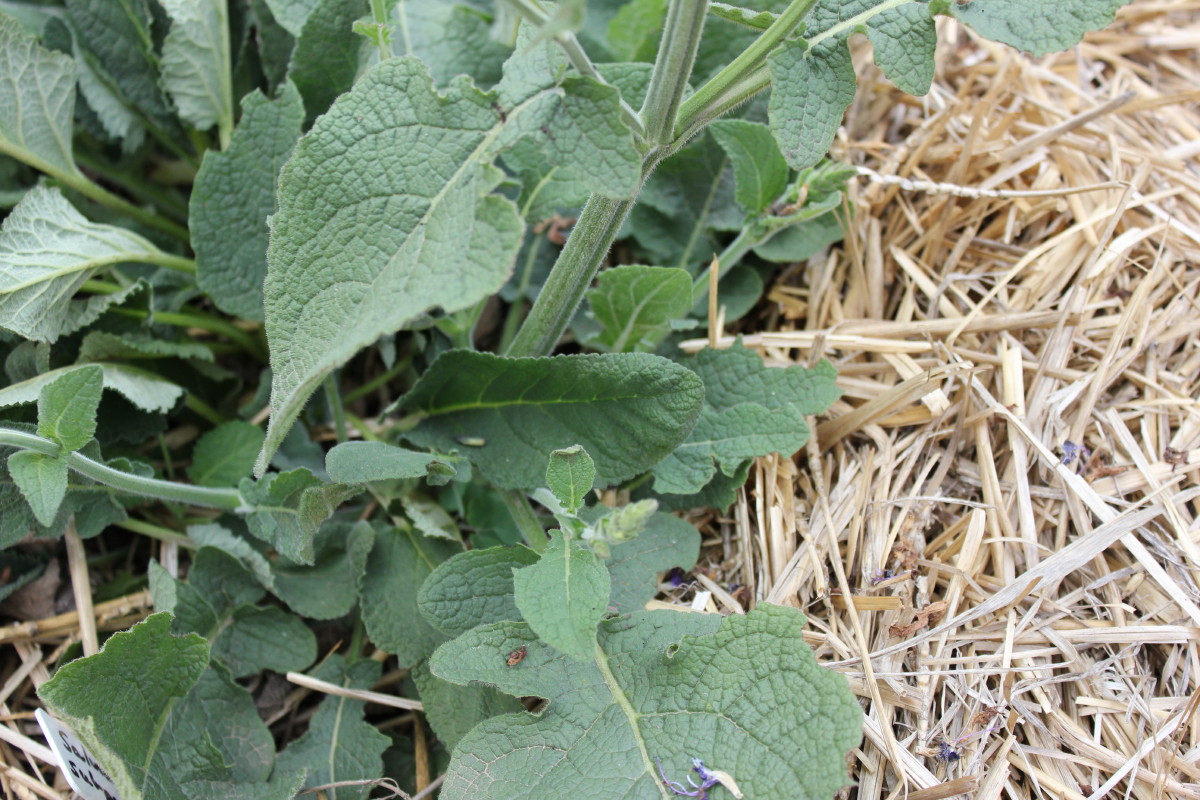
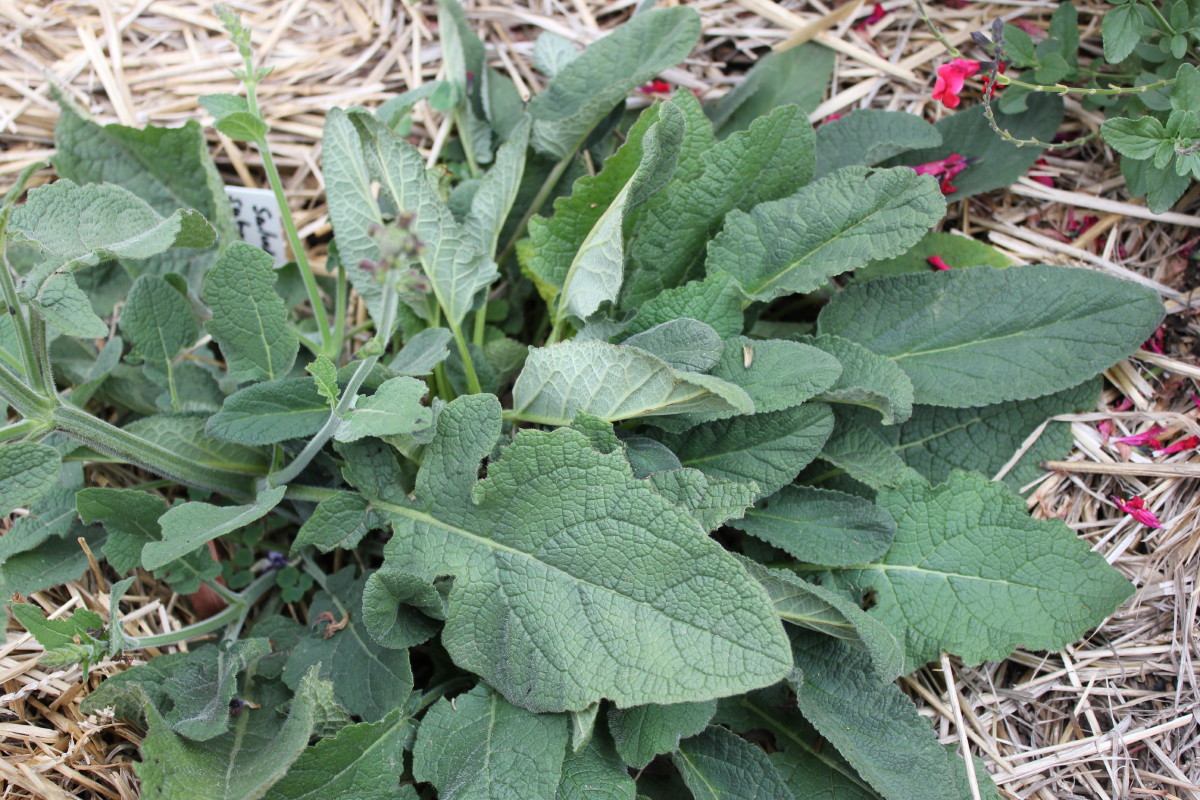
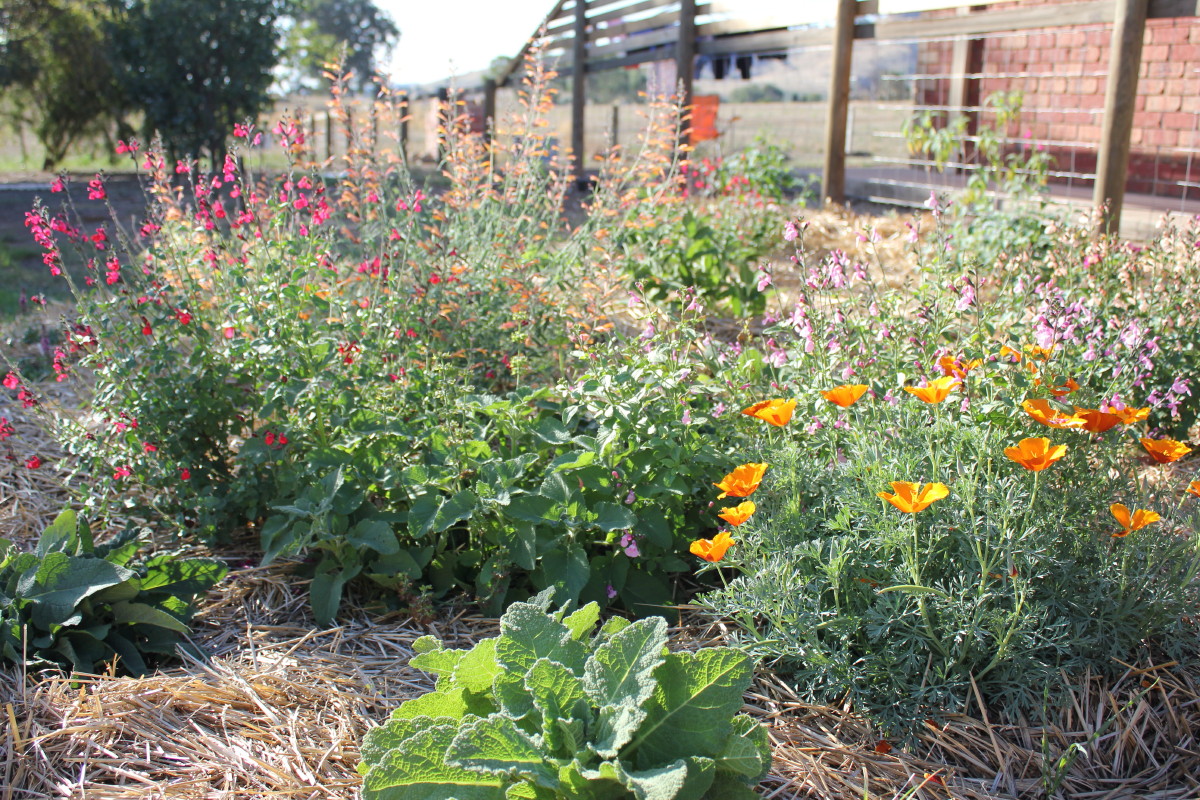
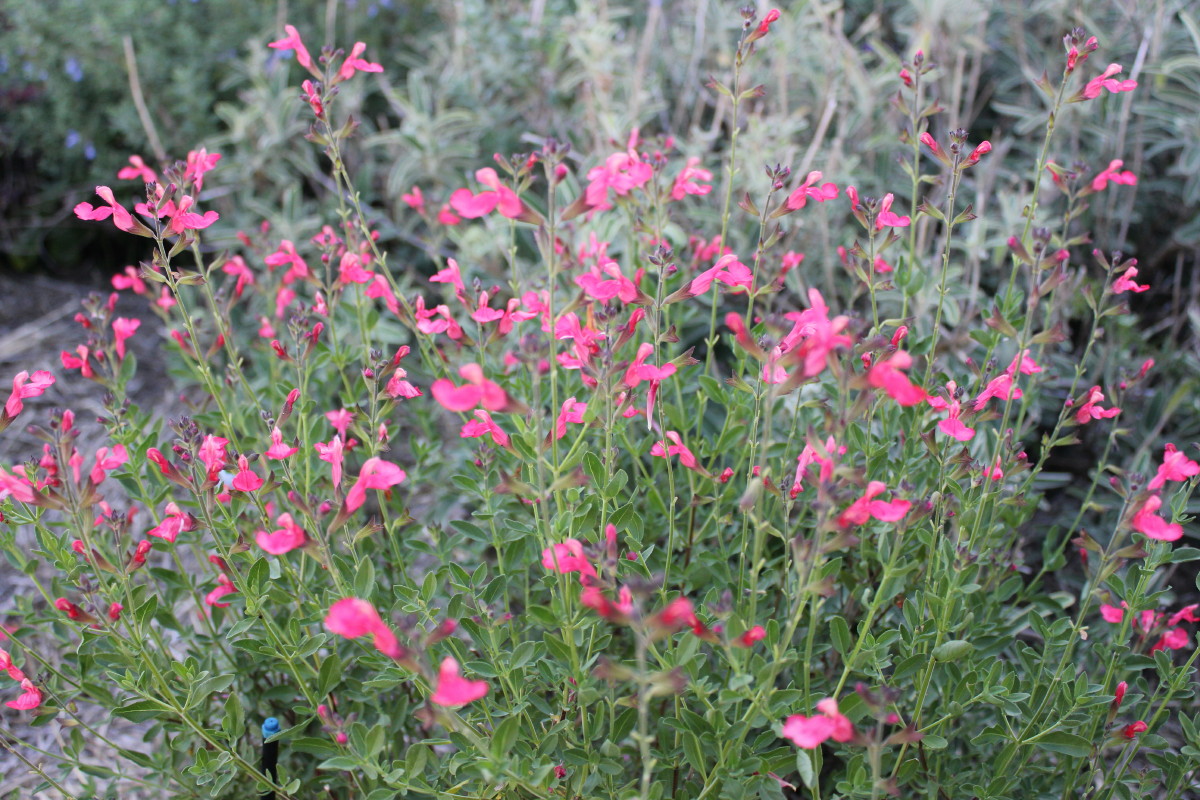
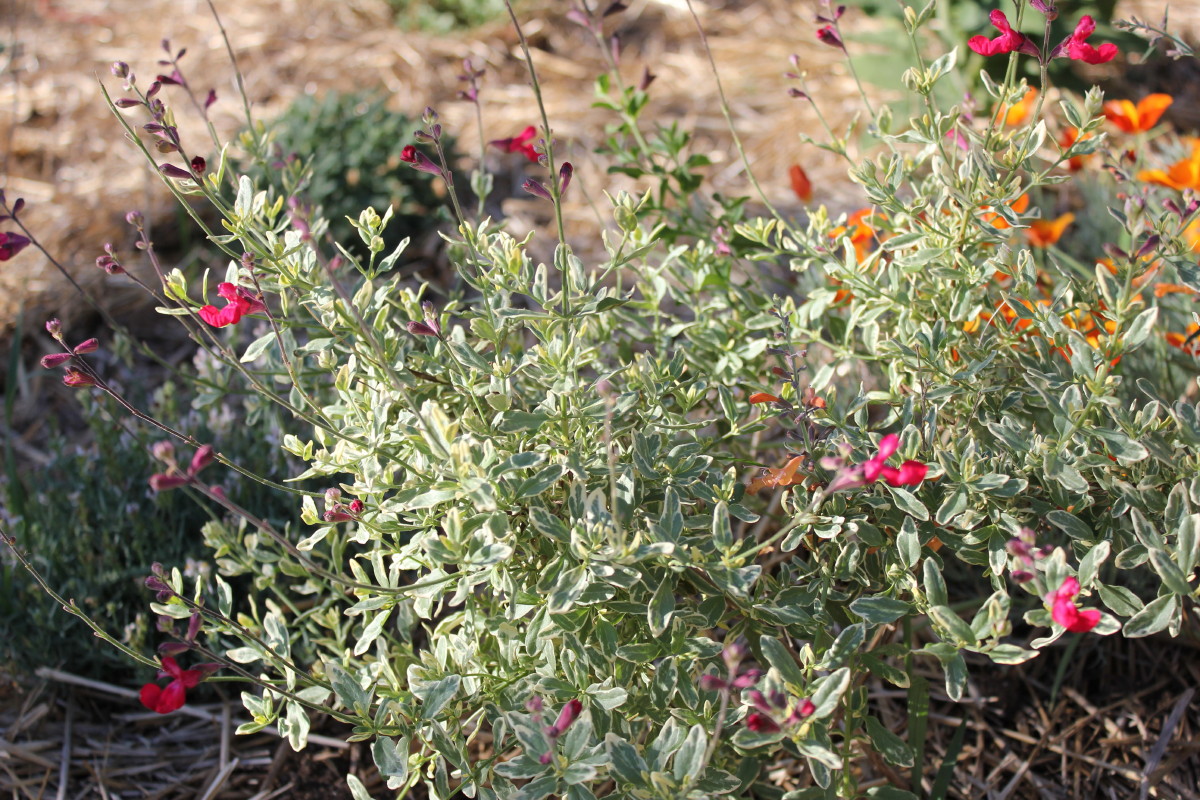
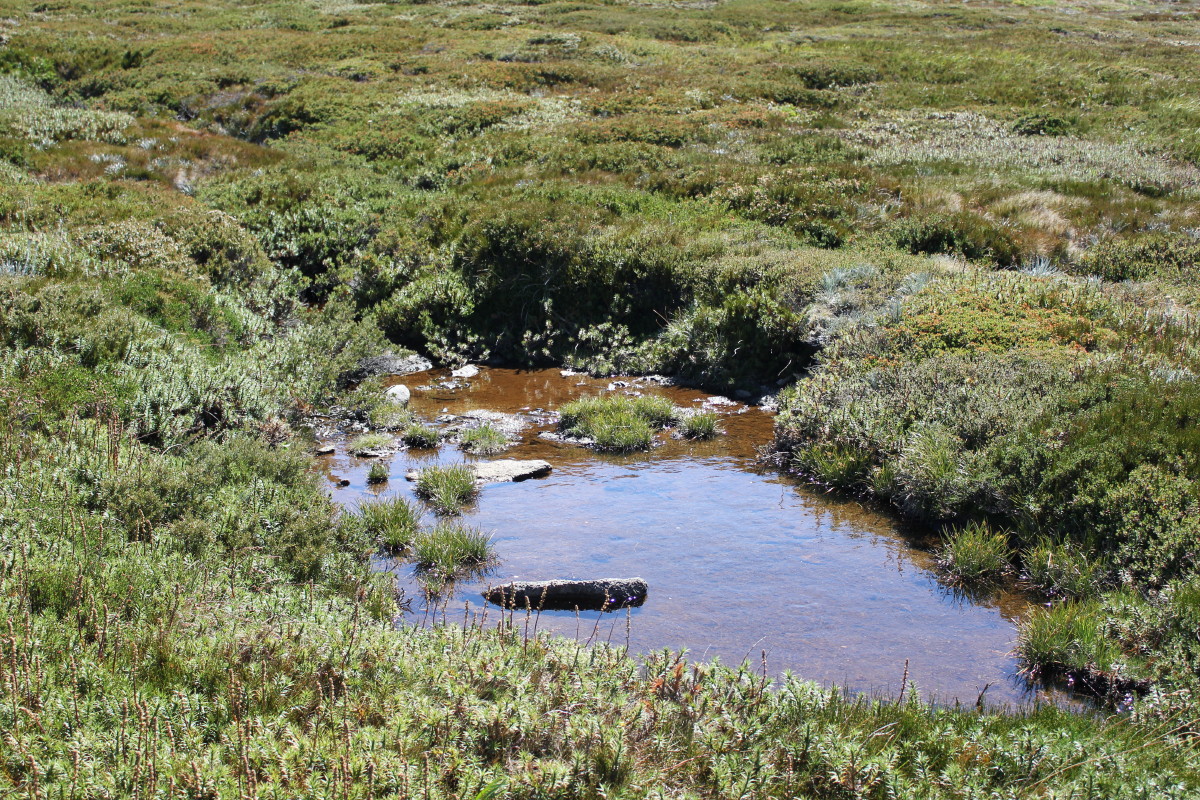
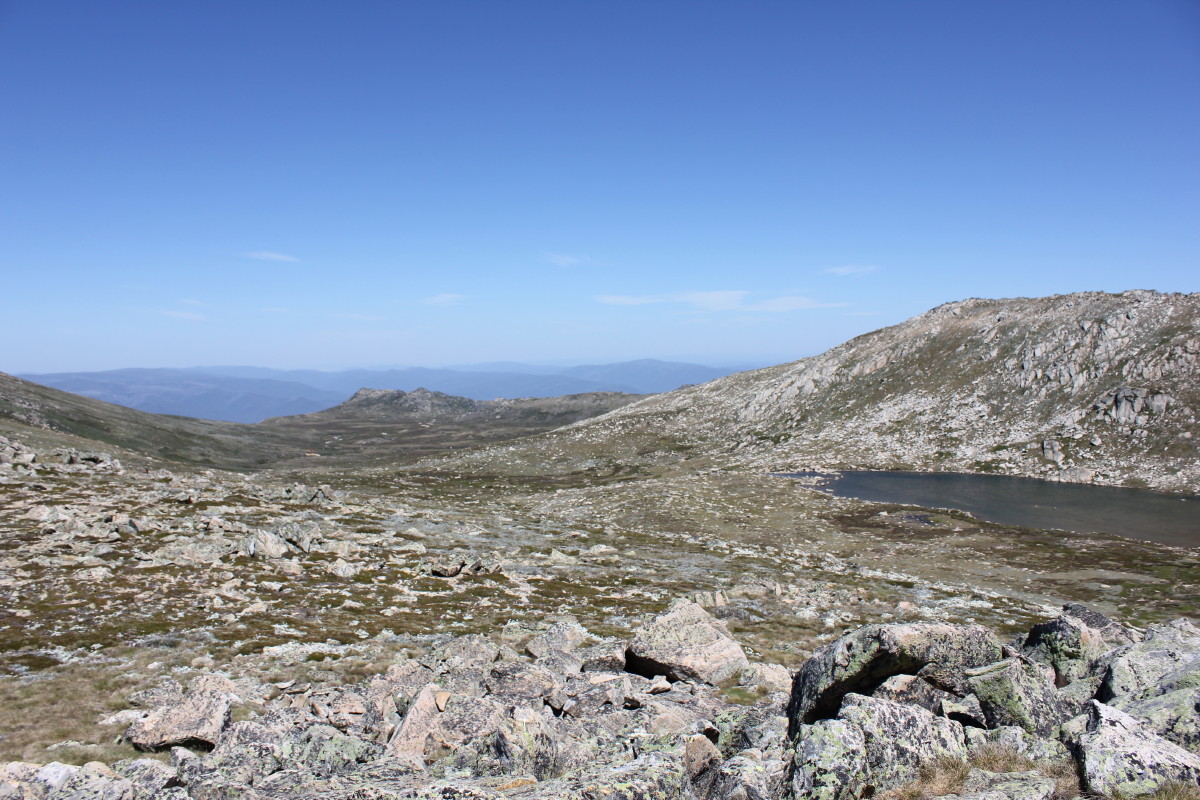
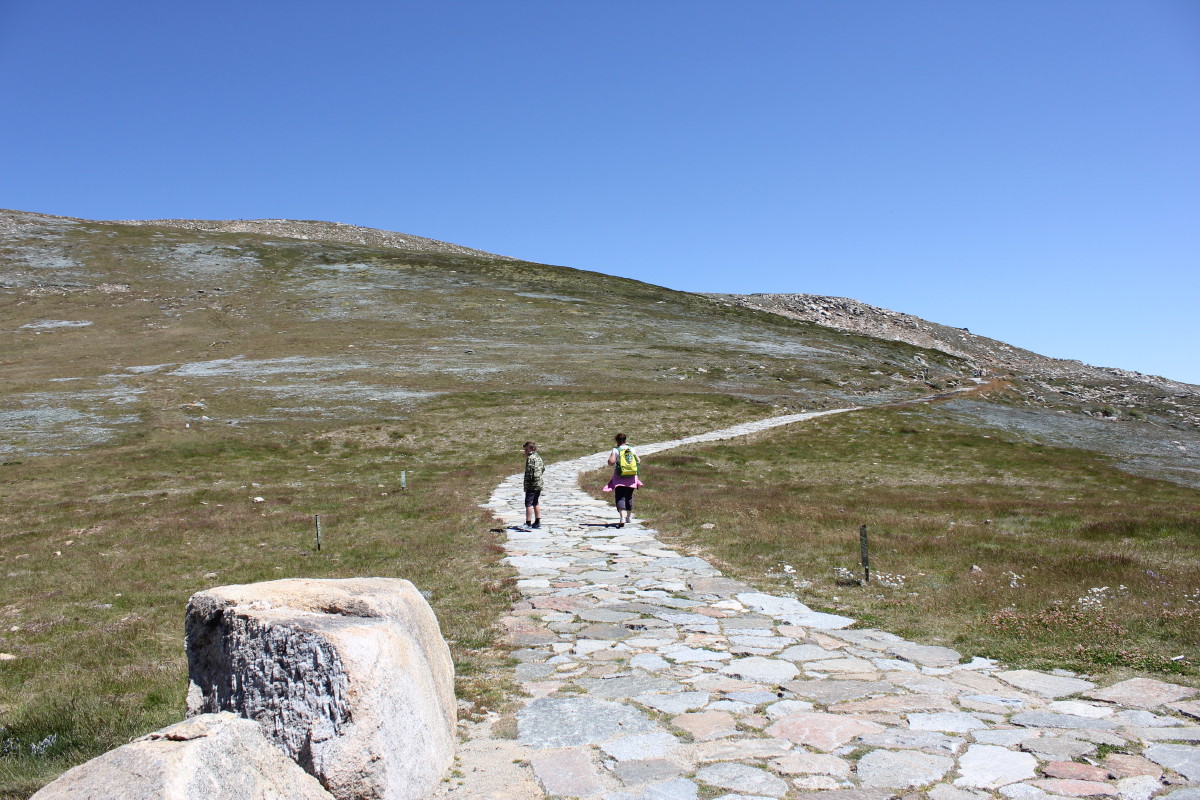
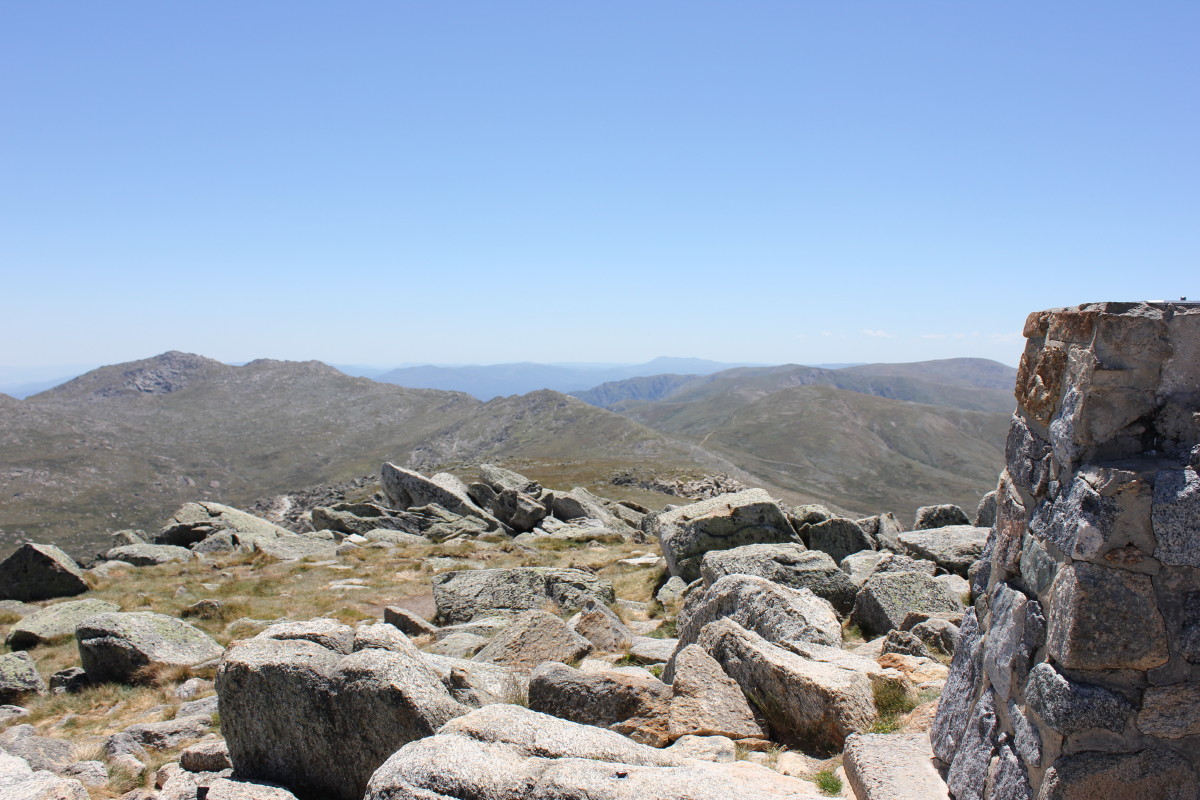
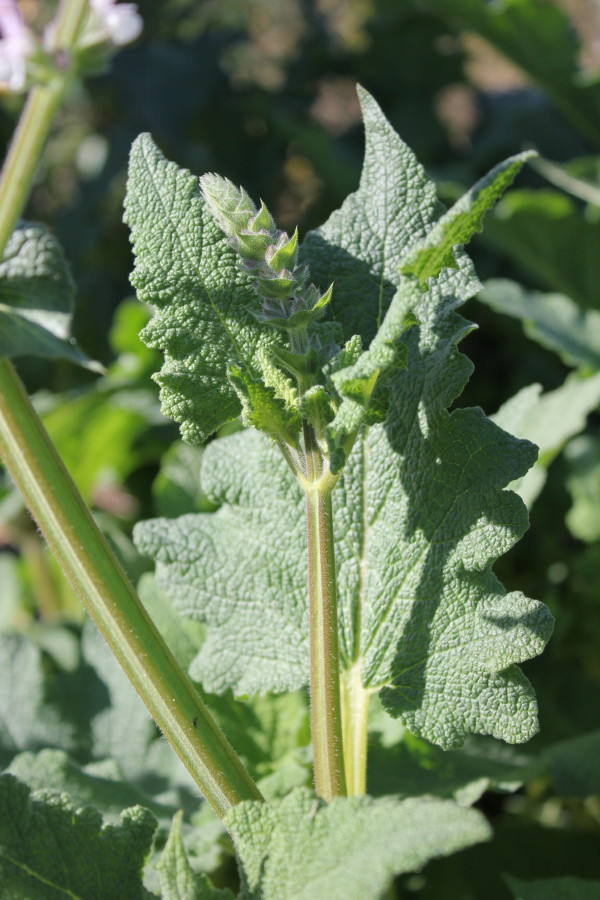
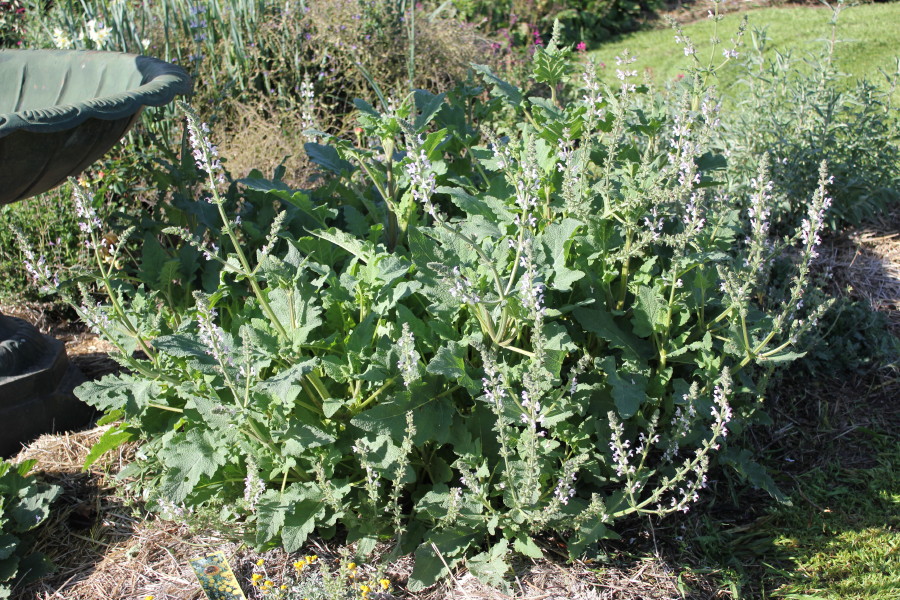
A collection of Salvia leaves

Hi there!

When people find out that I grow a lot of Salvia’s, most of them think that I have a lot of the annual ‘Bonfire’ Salvia.  Not so!  There is not one ‘Bonfire’ Salvia in my garden.  I suppose it doe’s have its place in a garden somewhere though.  There is approximately 900-1100 species of Salvia around the world, this depends on what literature you read.  Then there’s countless thousands of hybrids and cultivars with an amazing array of names.  Below I have included just a few pictures of the leaves of Salvia’s to show you how varied they are.  They range in size from a couple of millimetres to 30cm, from silvers/greys to bright/dark greens and other colours, glossy to furry which makes them look white,, from entire leaves to heavily serrated jagged leaves, crazy shapes and more.  If you were to have a look at every Salvia, I’m sure there would be even more interesting leaves than the one’s I have.  Leaves can tell us lots of things, what habitats there from and the conditions they like and many more things.  Anyway, check out these Salvia leaves from my garden.

Cheers!

Mistaken Identity

Hi there!

Having planted Salvia subpalmatinervis in the garden in the last six months, I was looking forward to it flowering sometime soon.  It had been sitting in my nursery just producing leaves and I thought it was past time to get it into the ground.  Well!  A week or so ago it started to put up a flowering stem.  Yes!  I’m thinking, here we go!!  Then it flowered,,,, my heart sank.  From a distance it didn’t look quite what I was expecting.  The photo’s I had seen of subpalmatinervis were of a pinkish coloured flower and quite tubular in shape.  As I moved in for a closer look my disappointment grew.  What I had before me was a blue flower with big white guidelines just like S. forskaholei.

IMG_1060

I consulted an expert and I got the same diagnoses, I had a ring in.  The mystery deepened, I needed to have a really close look at this imposter.  The closer inspection confirmed I had S. forskaholei and this was backed up by the foliage.  Hang on!  There’s slightly different leaves here as well.  What the!

IMG_1050

Lo and behold I have two different p[plants in the same hole.  By the look of it I still have S. subpalmatinervis which is taking a back seat somewhat while S. forskaholei flowers its heart out.  Yes, S. forskaholei can seed around a bit, so I can only presume that while S. subpalmatinervis was languishing in its pot before planting that a seed of S. forskaholei managed to find its way into this particular pot.  The intruder will move to a new home and stop renting with S. subpalmatinervis.

IMG_1052

Why did I not see this before?  I think the forskaholei leaves when young were a similar shape(roughly speaking), the colour and texture of the leaves is nearly identical.  Above photo shows leaves of subpalmatinervis and below photo is forskaholei.

IMG_1053

Mix the two together and you get this, see below.

IMG_1059

That’s why botanists use every part of a plant to identify it – flowers, seed, leaves, stems, bark and even the roots.  What’s the moral of the story here?  None actually but if you want to analyse it to the nth degree, there was excitement, anticipation, disappointment, bemusement, hilarity and a fair bit of amusement, especially now.

Still waiting for that subpalmatinervis to flower!

Cheers!

AUTUMN APPROACHES

Hi There!

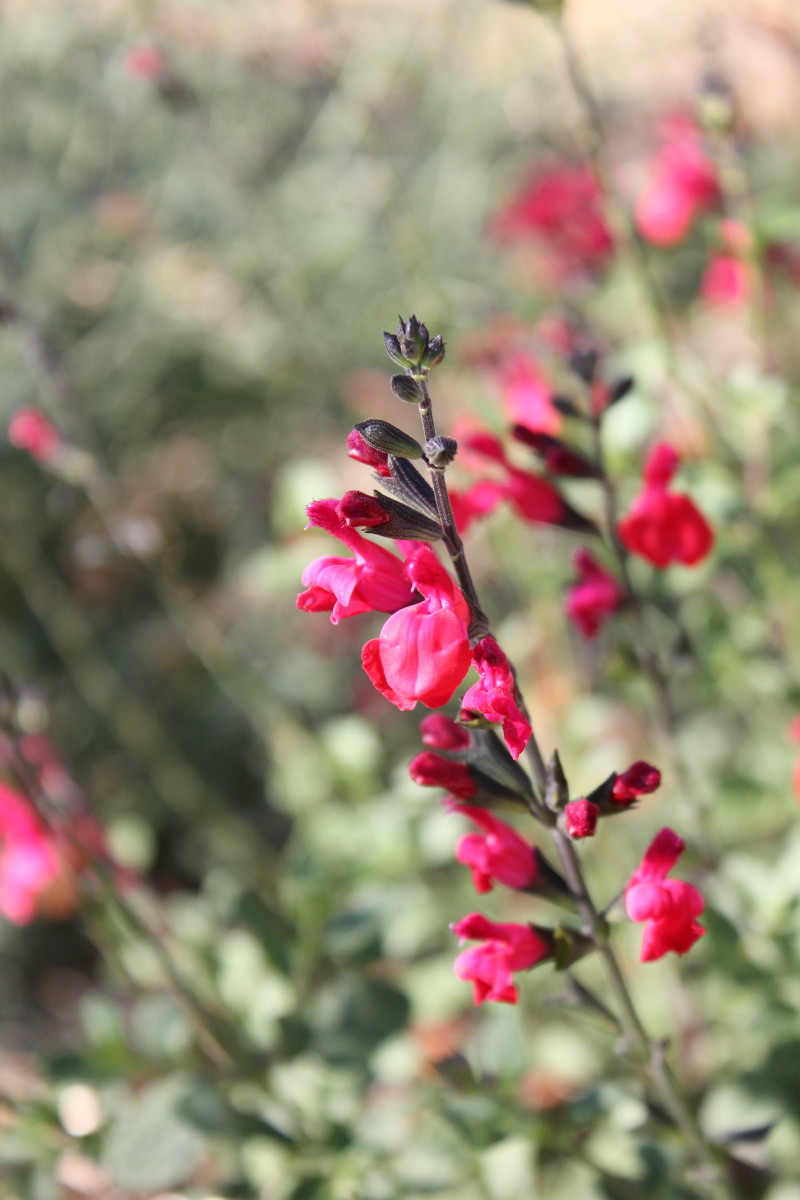
It’s great to see the high summer temperatures coming down to a more enjoyable 25-30 degree’s and especially the cooler overnight temperatures.  The humans enjoy the milder autumn weather as do the plants.  A lot of Salvia’s are coming into bloom now and ‘Anthony Parker’ is looking fantastic and it won’t be long and it will be flowering.  The karwinskii varieties are large Salvia’s which mostly flower in late Autumn/Winter and these are putting on lots of growth ready to flower soon.  A lot of the greggii hybrids are in flower including ‘Musk Pink’, ‘Sensation’, ‘Quirky Colleen’, ‘Raspberry’, ‘Red Beacon’.  Salvia juriscii with its interesting foliage and upside down flowers is blooming nicely.

IMG_0037

Below is Salvia juriscii with its heavily dissected leaves which nearly look fern leaves.  Yes I know its blurry, but you get the picture!

IMG_0512

IMG_0509

There you go!  How’s that one? A bit clearer  I think.  On the subject of the weather, some rain would be appreciated now so the tank starts to fill again and then I wouldn’t have to water so much.  Never happy us gardeners.  Here’s a collection of Salvia’s in flower and other plants of course.

IMG_1033

Plants start to feel the change in the weather at this time of year and it won’t be long and we will start to see the real marker of Autumn, deciduous colours.  those lovely reds, oranges, yellows and other leaf colours.  That’s what Autumn is really about for me.

IMG_1042

Above is ‘Quirky Colleen’ in flower looking good.  Below is a close up.

IMG_1041

Here’s ‘Desert Blaze’ below with its bright red flowers and variegated leaves.  Variegated foliage is not my thing and I think I only have two plants with variegated leaves.  Both being Salvia’s, go figure!

IMG_1023

Here’s a close up of its flower.

IMG_1024_1

Below is ‘Angels Wings” with its lovely pale to mid pink flowers.

IMG_1013

IMG_1006

A dusting of icing sugar comes to mind, not sure why.  Why is it when you see an object or picture that an odd description can pop into your mind which may or may not have a connection? The power of the mind I suppose.

IMG_1027

Here’s Salvia radula about to come into bloom with its beautiful white flowers.

IMG_1015

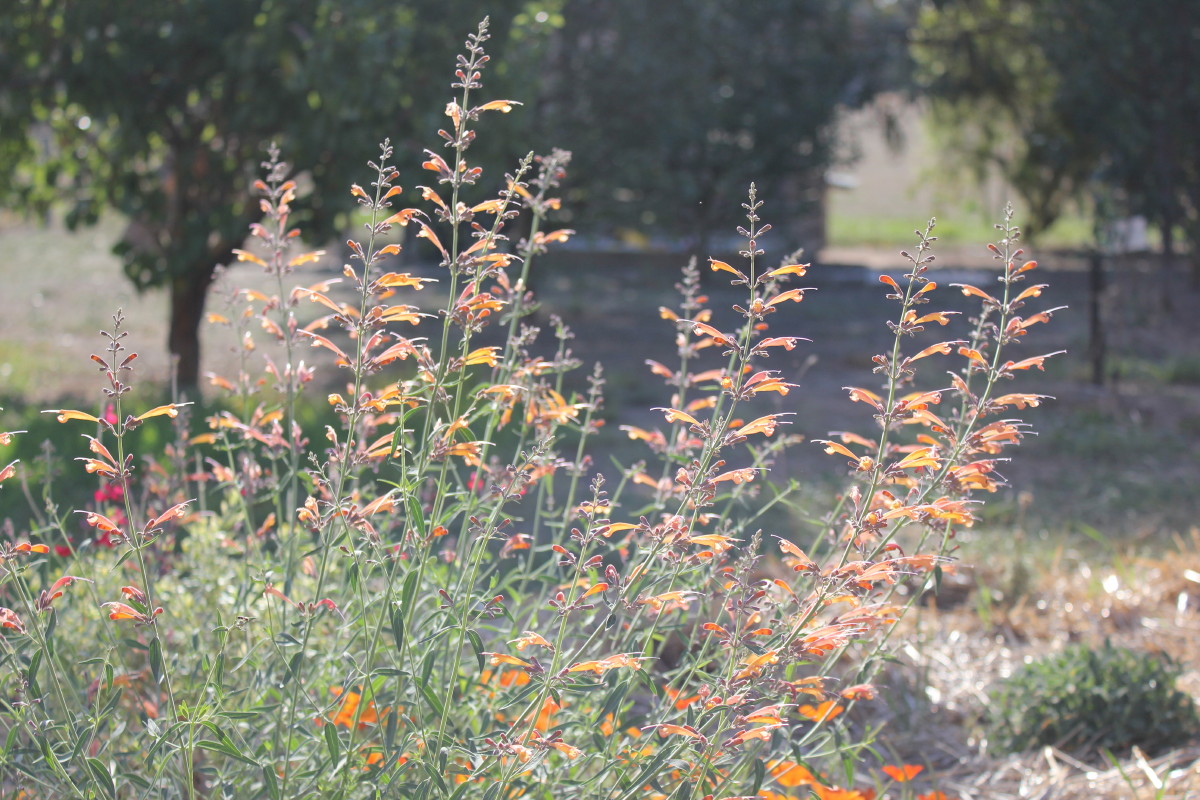
‘Royal Bumble’ above and  we finish with Agastache auranitica below, which surprising is not a Salvia but is in the same family Lamiaceae,  Sort of like cousins.  An interesting fact for you!  Plants that are in the Lamiaceae family have square stems or loosely stems with four corners.  Check out your mint plants!

IMG_1014

Cheers!

Mt. Kosciuszko

Hi There!

It may have seemed that I had disappeared into thin air for the last couple of months, but after Christmas/New Year, shopping for a new car, a new job and trying to get the garden back into shape, I’m back!  A few weeks back we made our way to the highest point on this continent/Island/The land down under/Australia/Home or whatever you want to call it.  Mt Kosciuszko is 2228m tall and was named after the famous Polish freedom fighter.  On the 15th of February 1840 the polish explore Paul Edmond Strzelecki ascended this mountain and named it.  It is highly unlikely that he was the first person to do so because Aboriginals from different parts came here for thousands of years to feast on the Bogong moths that congregate here in summer.  Stockmen also climbed in this area in the 1830’s looking for grazing land.

IMG_0761

This is the easy way up from Thredbo before you start the 6.5km walk to the top.

IMG_0763

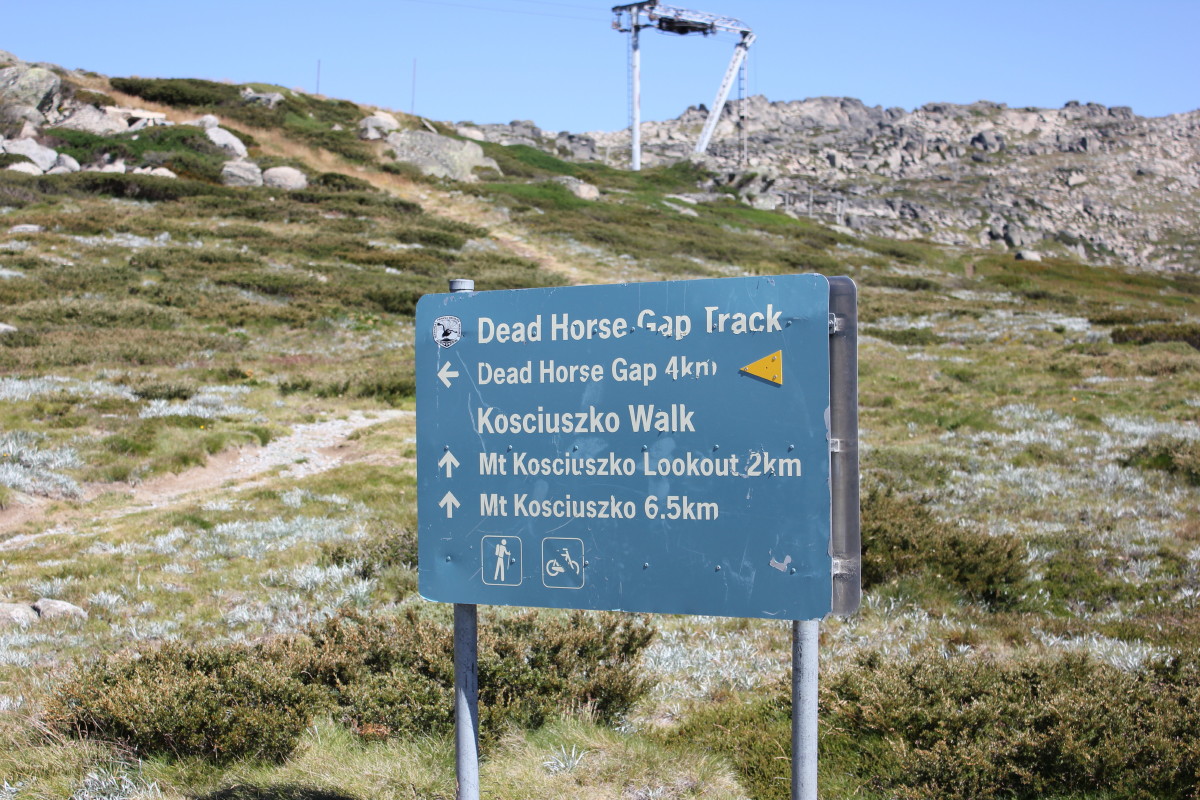
Well, here we stand contemplating the sign.  Do we go to the lookout or do we go all the way?  Lets go all the way!
IMG_0799_1

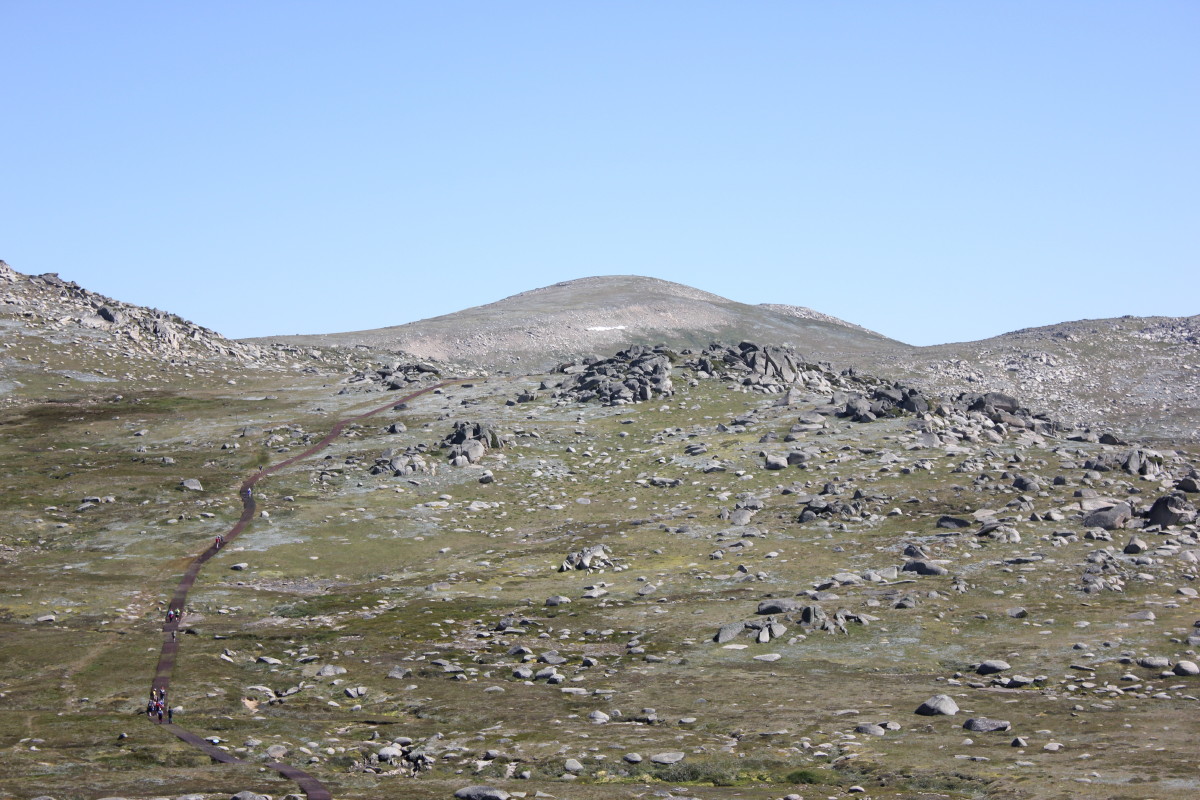
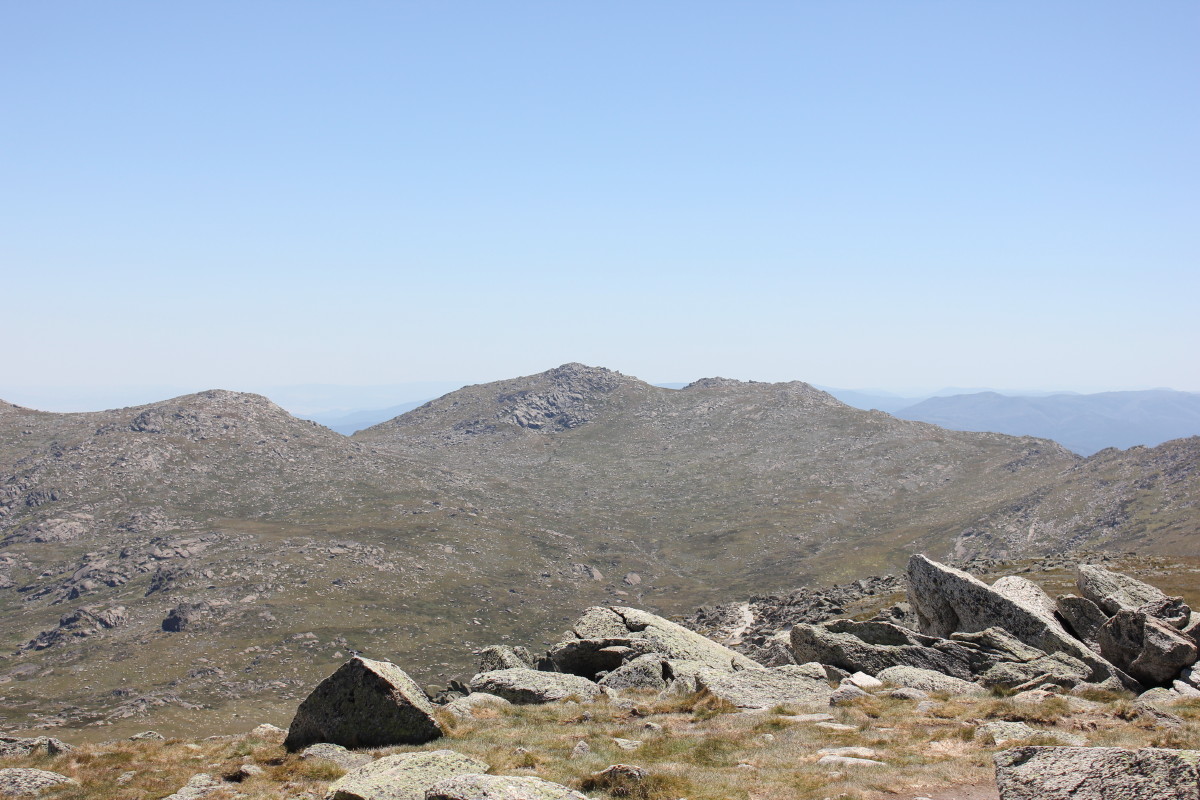
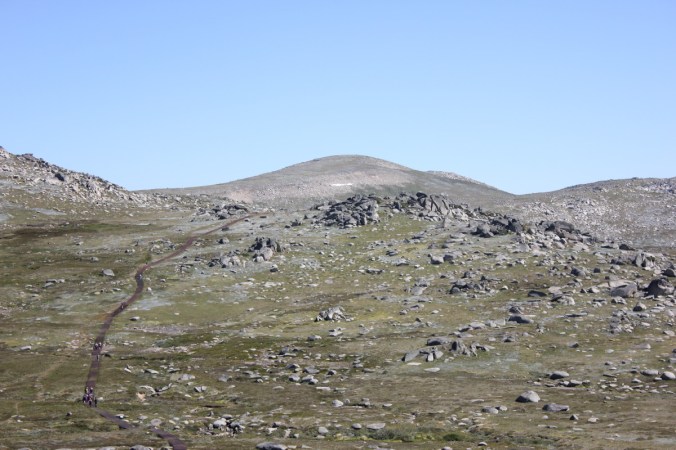
It’s a very interesting and spectacular place which is quite rocky and barren.  But when you look closely the plains are covered with alpine grasses and plants.  Mt Kosciuszko can be seen in the above photo.  It’s the little bump behind the big bump.  4.5km’s to go!

IMG_0773

IMG_0779

IMG_0769_1

So you can see that plant life is quite abundant and typical of alpine climates, hugging the ground.

IMG_0781

Look how this shrub is hugging the granite boulders.  Almost creeping over  them like a groundcover.  This may be the Alpine mint bush, Prostanthera cuneata.

IMG_0811

Here’s the highest lake in Australia, Lake Cootapatamba.  Only small but the highest.

IMG_0810

And the path go’s on and on and on and….  Notice how its a raised steel grid, this is to protect the delicate environment up here where literally thousands of people walk every year to get to the top.

IMG_0798

IMG_0822

Rawson’s Pass, finish line nearly in site!

IMG_0823

IMG_0831

Ah Yes!  That’s me at the front looking enthralled while our youngest child enjoys the easy way up.
IMG_0842

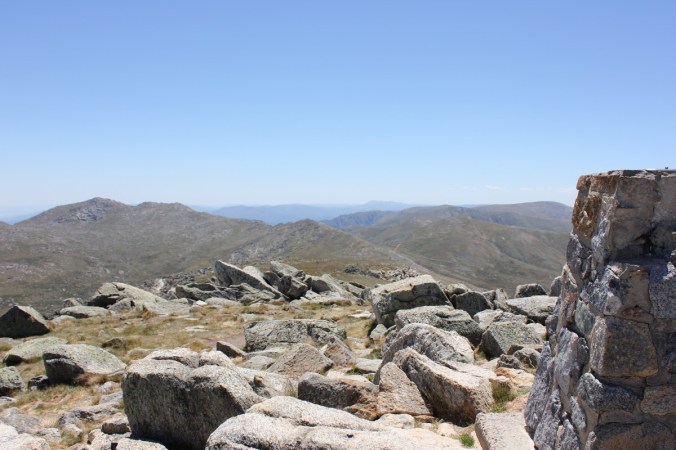
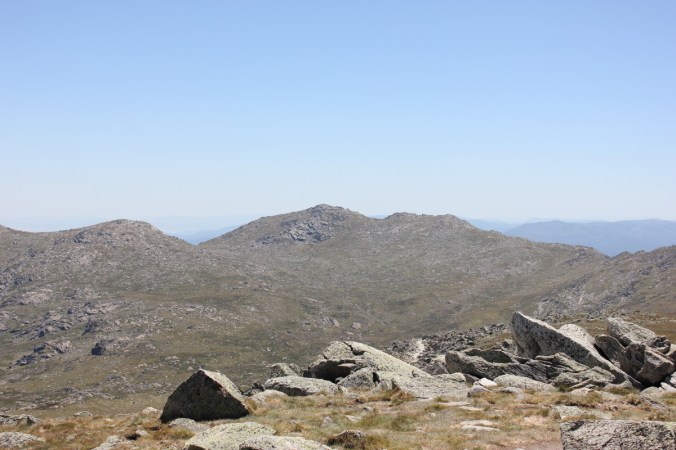
Here we are at the top, I know it’s not very high at 2228m but we can’t go any higher on this great southern land.
IMG_0843

IMG_0838

All the hordes of people at the top taking a breather, Charlotte pass track can be seen on the ridge.

IMG_0860

On the way down.  I like how the hills just roll away in the distance.  Black hill in the middle left of photo is where there was a bushfire in 2003.  White trunks of dead gums left standing.

IMG_0876

Here’s some wildflowers, this one is Chionogentias muelleriana subsp. alpestris also known as the Mountain Gentian which only occurs here in the Kosciuszko National Park.

IMG_0814

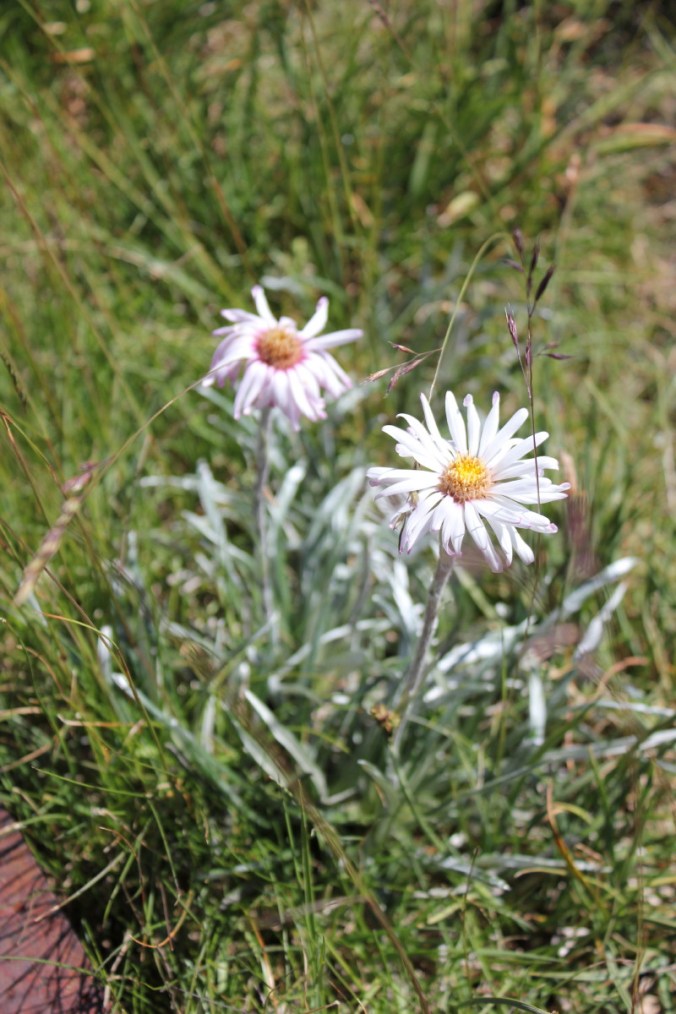
Above are Leucochrysum albicans subsp. alpinum which are also known as Alpine Sunrays, these were quite prevalent the higher you got, beautiful!

IMG_0866

IMG_0786

This is Celmisia longifolia, quite beautiful as well.

IMG_0767

On the way back down across the plateau.

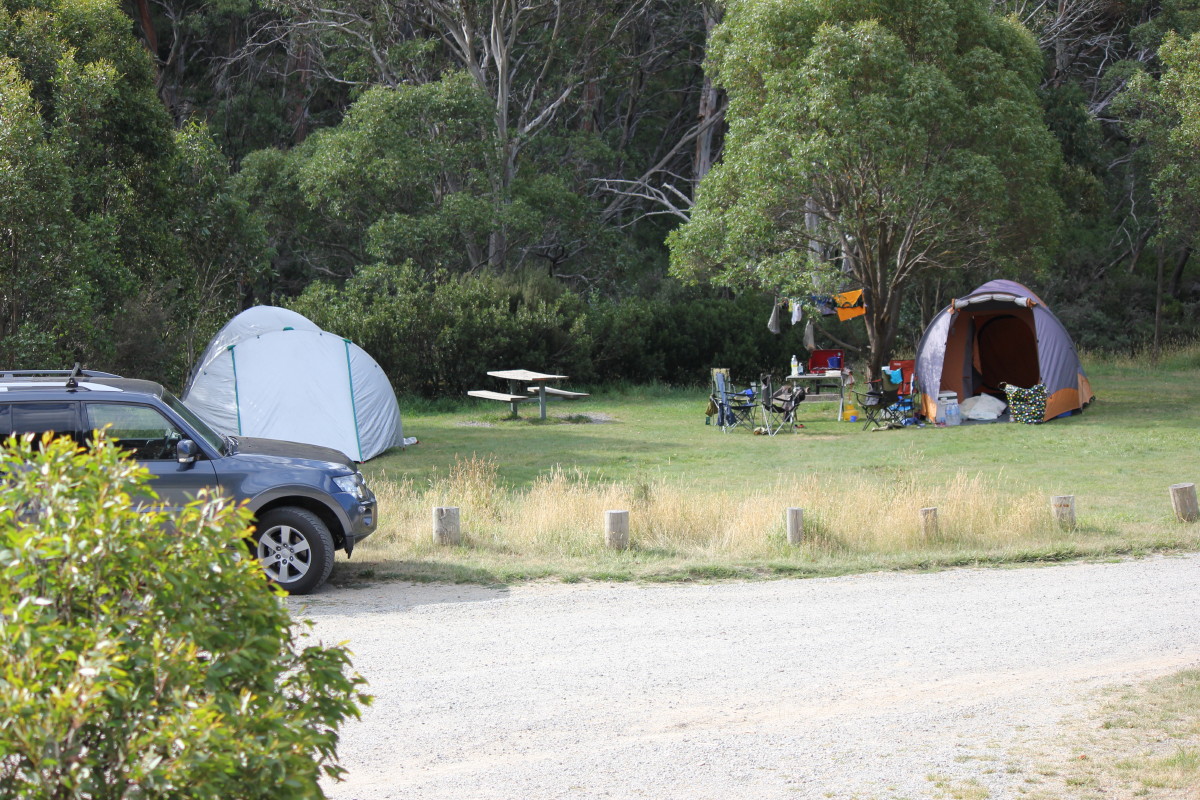
We camped the other side of Thredbo at a little campground called Ngarigo beside the Thredbo River, quite beautiful serene and peaceful.

IMG_0685

IMG_0647

IMG_0752

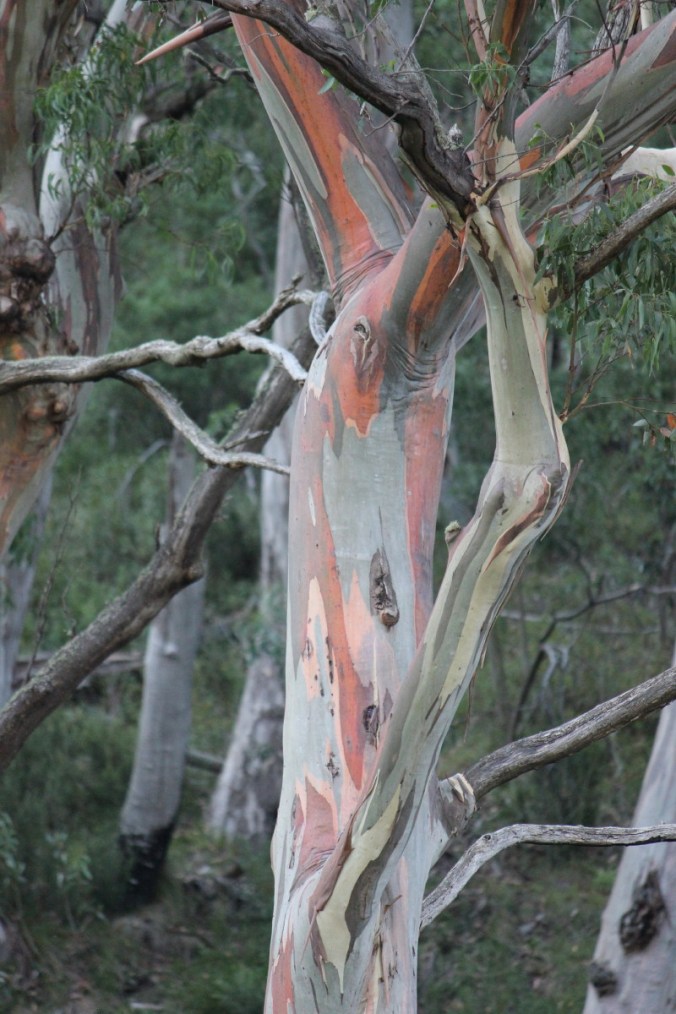
Here’s a gum tree with quite remarkable trunk colour.  Anyone who know’s about Australian folklore will know about Brumbies(wild horses basically) and on the way home not far from Thredbo is Dead Horse Gap which is a well-known sighting spot of Brumbies.  This is what we saw!

IMG_0892

There was a pure black one as well but he wasn’t co-operating with me.

IMG_0897

Ah well!  Time to go home….

Cheers.

Lake Catani and other things

Hi there!

Lake Catani is a beautiful artificial lake on the Mt Buffalo plateau sitting at an altitude of about 1300m.  We escaped here to take a breather from the recent run of hot weather and for a relaxing afternoon and a nice cool swim.

IMG_0573

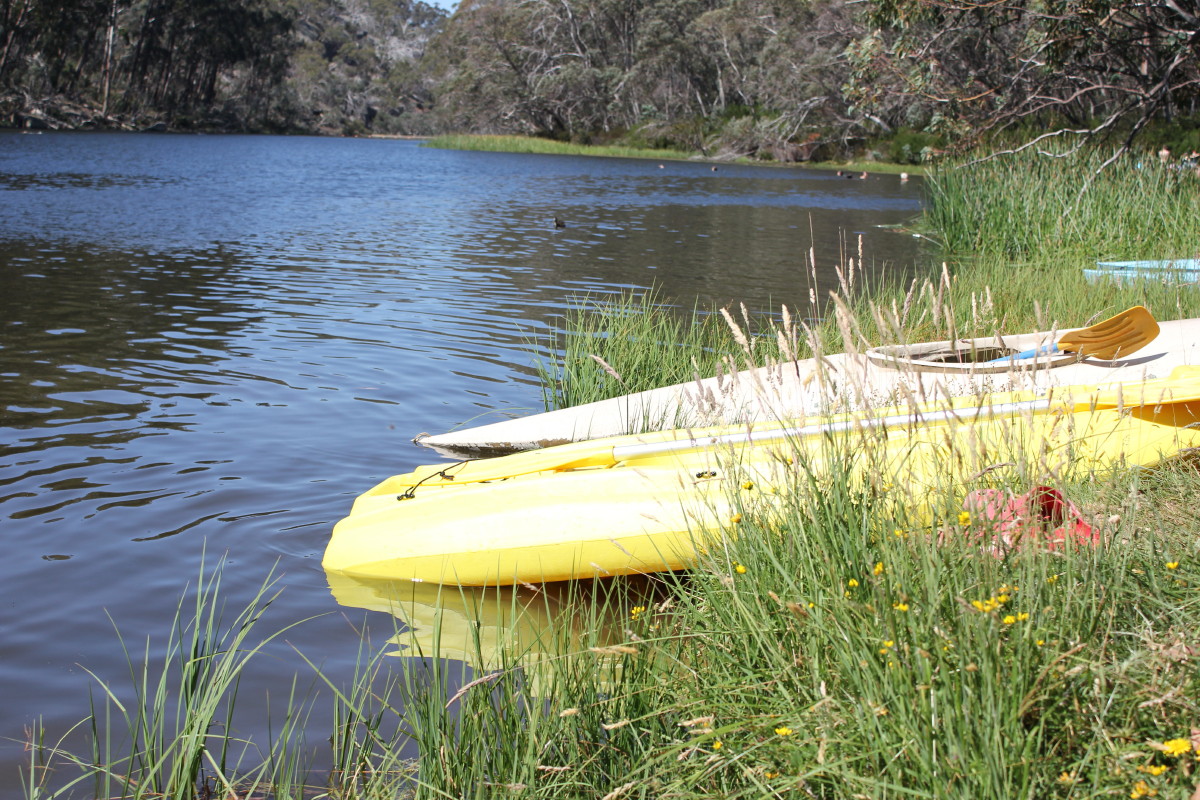
You can even hire a canoe for a pleasant paddle on the lake.  We didn’t get one, that’s another whole story nearly!  Here’s some kids having a wonderful time.

IMG_0572

Someone’s left their thongs in the water.

IMG_0568

Water was very clean until it was stirred up, not to cold either.  Temperature at this altitude was about 30 celsius as opposed to 36 in the valley.  There were lots of wildflowers still out and one should come here in spring I think for quite a good show.

IMG_0588

IMG_0591

Lake Catani in the distance

IMG_0584

Above is Wahlenbergia gloriosa

IMG_0587

Not a great example but above is Stylidium montanum.  Also known as a Trigger plant.

IMG_0578

Brachyscome spathulata

IMG_0593

Eucalyptus delegatensis. Also known as Alpine Ash.

IMG_0594

Eurobin Falls with not much water falling down.

IMG_0596

Lady bath Falls with just a trickle coming down in the top left hand corner.

IMG_0598

Just a trickle.  After rain this is an absolute torrent.

IMG_0595

Crystal clear water at Lady bath falls.  Some deep pools here too for a nice refreshing swim.  Refreshing may not be the correct word!

IMG_0600

For those who don’t know Mt Buffalo, it’s a square-shaped(roughly speaking) mountain plateau with an altitude of 1723m.  Situated in the north-east of Victoria roughly between Myrtleford and Bright.  First seen by Hume and Hovell in 1824 and named so because it looked like a sleeping Buffalo.  Over 550 species of plants can be found here with the majority being from the sub alpine and alpine plant communities.  It has some impressive waterfalls, particularly after rain events.  The water thunders down the huge granite slabs.  It’s an easy drive up to the plateau and you can walk up to the top of the Horn which is the highest point for magnificent 360 degree views of the Victorian Alps.

IMG_0605

IMG_0609

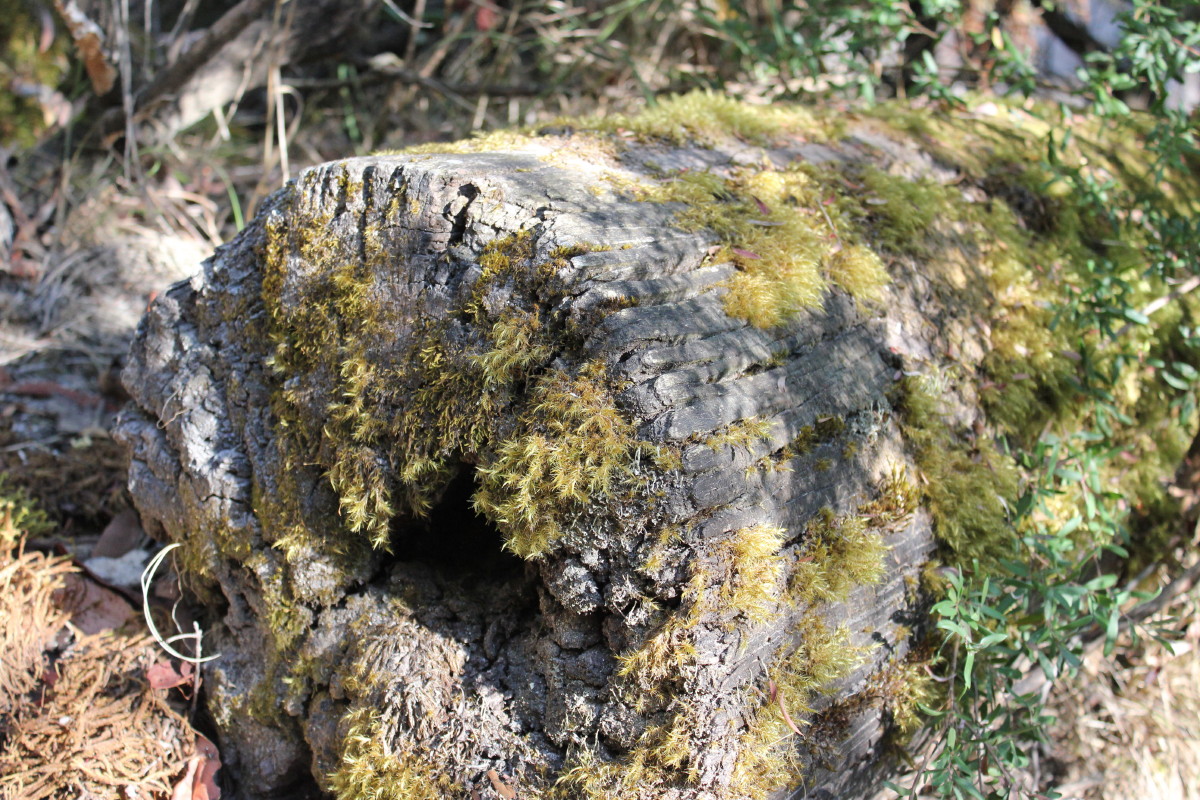
A log slowly decaying

IMG_0613

A well camouflage fellow getting around

Plants in Focus #6

Hi there!

In this edition we will look at another Salvia which is a great long flowering hardy plant.

Salvia eigii

Salvia eigii is a beautiful herbaceous perennial which is native to Mediterranean woodlands and Shrub lands in Israel.  It  grows in a clump with leaves in a rosette formation to about 30-50cm high and 60-100cm wide.  The flower stalk will grow to about 100cm high and has branching inflorescences.

IMG_7952

The flowers grow in whorls on the branching inflorescences which are about 20-30cm long. The flowers have a white lip and the hood is a light mauve colour on mine.  Although literature describes it as having a pink lower lip and purple hood and ruby coloured calyx.  Flowering time is from winter through to spring.  Although mine can still have flowers into mid summer.

Salvia eigii

Close up of flowers below show their colour.  Purple hood may be more apparent when flowers are new.  Always remember that soils can play a big part in flower colour as well.

IMG_7608

The leaves are a dark green colour and can grow quite large, even up to 30cm long and 20cm wide.  They are entire leaves and the margin is dentate or serrate and the arrangement is opposite(two leaves per node).

IMG_7674

Salvia eigii is a drought and frost tolerant plant which makes it desirable for many situations.  Excellent by its self in mixed planting or planted en mass in groups of 3 or 5 would make it look stunning.  Easily grown in full sun or even dappled or light shade.  Below you can see how the leaves are arranged opposite each other at each node.

IMG_7609

It was named after Alexander Eig 1894-1938 who was a botanist at the Hebrew University in Israel and one of the first plant researchers in that country.  Born in Schedrin near Minsk in Belarus and died in Jerusalem from Cancer. He immigrated to Palestine when he was 15.  This is an excellent Salvia to provide a splash of colour in those winter months when not much is flowering, and even as we move into the warmer months, it still continues to flower.  All that is needed to keep it tidy is to prune the spent flower stems right back to its base.  See below the many branched inflorescences.

IMG_7605

Cheers!

Along came a spider..

Hi there!

Hope you have all survived the start of the new year and broken all those new year resolutions you have made.  Here’s a tip, they can be made anytime of the year and need to be followed through.  Don’t procrastinate like me!  To the matter at hand then.

Latrodectus hasseltii

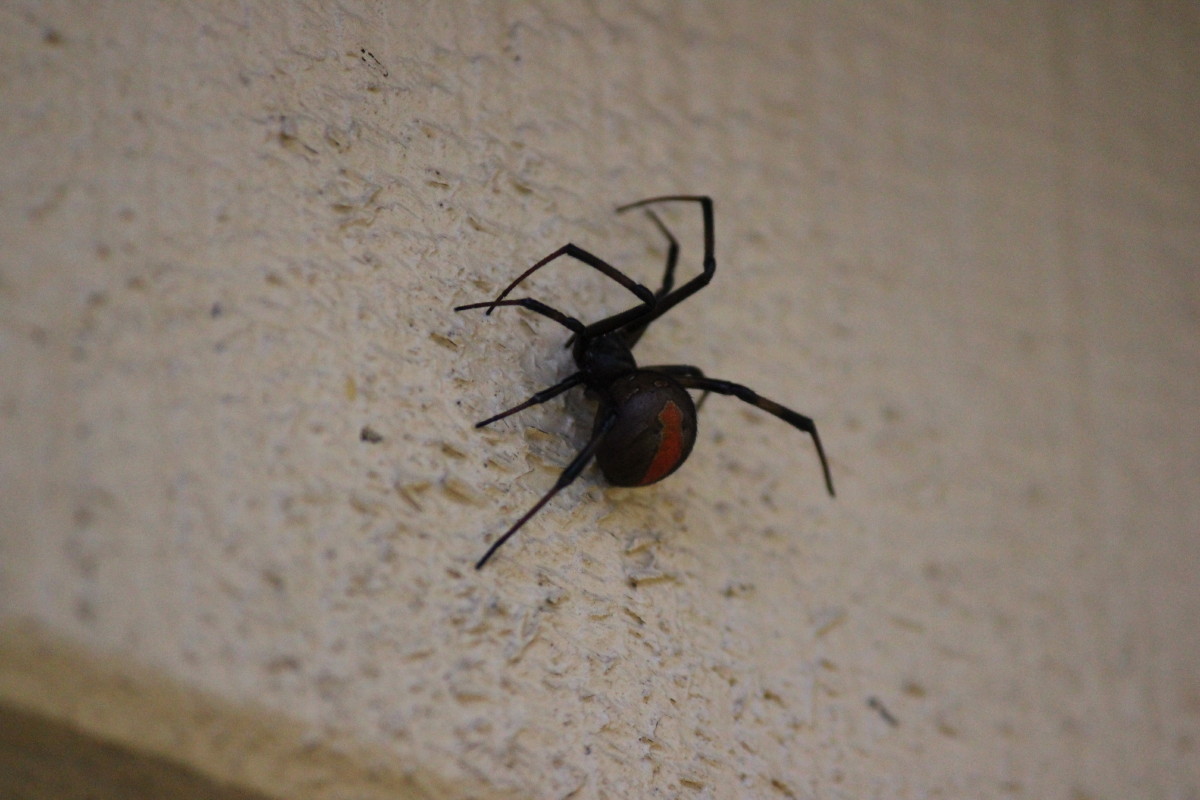
is the scientific name for a certain type of spider which is quite common in this country and likes to live close to humans.  It loves to build nests in dry spots like kids toys, old tyres, sheds, empty tins and under metal, dry spots anywhere really and in the outhouse of course.  Please check under that toilet seat!  I’m pretty sure by now you know that I’m talking about the Redback Spider.

IMG_0438

It was quite common to find them in the Outhouse(outside toilet).  Historical data shows that bites were common on the genitalia of victims until toilets were moved into houses.  Ouch! Data shows that now most bites are on the fingertips then arms and thighs, trunk and then head and neck.  Bites on the head and neck have increased since the use of safety helmets and earmuffs.  Make sure you check them before putting on!!!!

I found somewhere between 4-8 under a kids slide the other day.  I wasn’t concerned about the exact number, just wanted to get rid of them all. The Redback and its relatives in the genus Lactrodectus are among the most dangerous spiders alongside the Funnel Webs and others.  Well wouldn’t you know it we have both those here.  The Redback is responsible every year for more poisonous bites than any other venomous creature in Australia, and yes we do have lots of nasty creatures.  Estimates are over 2000 bites per year and nearly all of these are caused by the female because of its large size in comparison to the male Redback.  Here’s a female below lurking under a slide.

IMG_0358

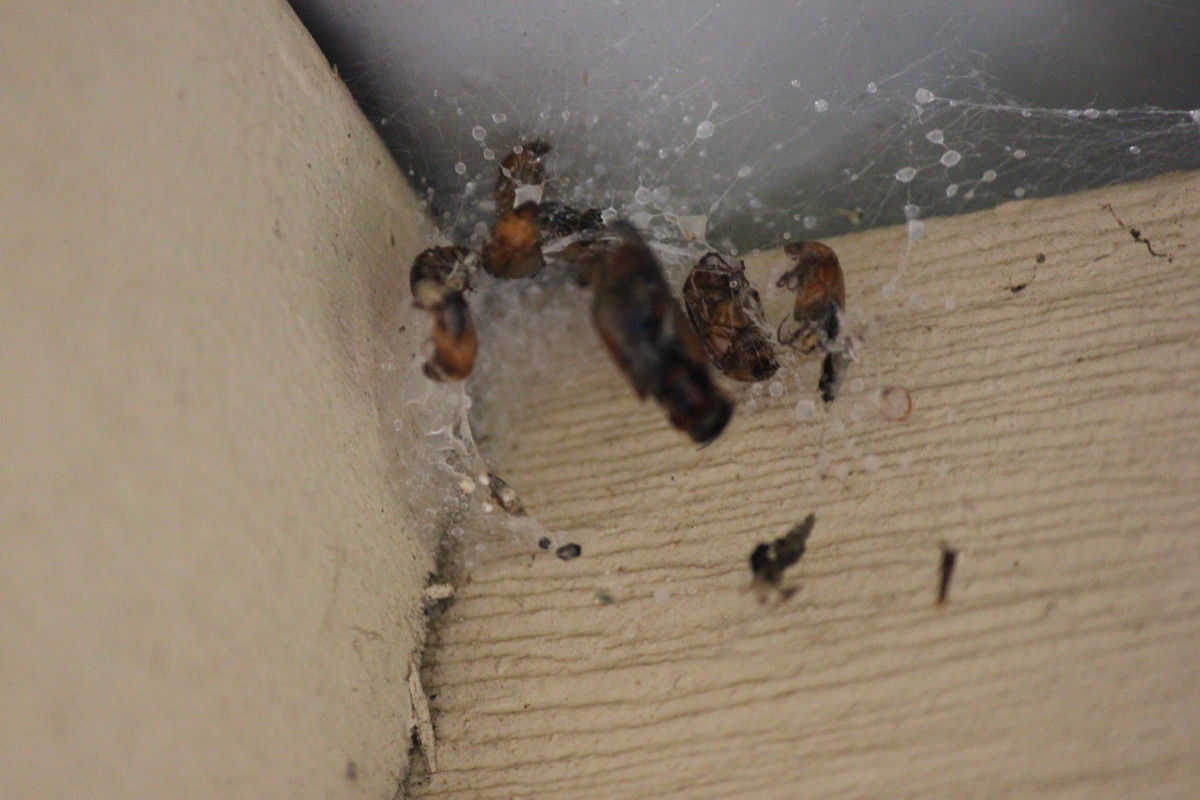
Here’s the good news.  Since the antivenom was introduced in 1956, no human has died directly from a bite.  Although 12 people have been killed prior to 1956 due to Redback bites.  The female has a body about 1cm long with the first pair of legs longer than the rest.  The round abdomen is black(sometimes brown) with a red stripe(sometimes orange).  The male in comparison is only 3-4mm long and light brown in colour with white marks on the upper surface of the abdomen and a pale hourglass mark on the underside.  Females always get the looks don’t they!  Redbacks are mostly nocturnal and remain concealed during the day with the female spinning her web during the night.  Females also usually remain in the one location for the majority of their adult life.  The web is an irregular tangle of fine strong silk.  The rear part of the web forms a funnel, this is where you will find the spider and its egg sacs.  You can sort of see the funnel shape below behind the unsuspecting insects who are no more.
IMG_0435

Redbacks like to feast on insects, sometimes larger animals are ensnared in the web.  Once trapped in the web, the victim is sprayed with a substance a bit like superglue to immobilize it.  It is then repeatedly bitten and trussed and taken into the web where its liquified insides are sucked out.  Here’s another view of the spider.

IMG_0430

Redbacks are one of only two known animals where the male actively assists the female in its death during mating.  During mating the male moves its abdomen over the females mouthparts.  In most cases the male is consumed while mating.  Those males that are not eaten during mating die soon after from their injuries.  Hmmmm.  This is a dangerous beast!

IMG_0362

These little beasts have now been found in small colonies in parts of New Zealand.  They have also been seen in United Arab Emirates, greenhouses in Belgium, Preston in England.  Two were discovered in an Iranian port city.  Some observations indicate that they could be present in New Guinea, India and the Philippines.  Osaka, Japan have colonies, also Fukuoka city.  Many hundreds have been found at the container terminal in Fukuoka.

IMG_0433

Yes, it’s a scary looking creature, yes, it’s a dangerous creature, yes, it’s a fascinating creature, and yes, you should wear gloves in the garden.  Remember this, no one has died from this spider since 1956 but you may be a little sore and sorry though if you do get bitten.  Watch out!!

IMG_0356

IMG_0439

Cheers!

Raindrops

Hi There!

Lovely to see steady rain yesterday which has soaked nicely into the parched dry ground after a week of hot weather.  I like how raindrops collect on different types of foliage.  Here are a few photo’s from yesterday.

Even some of the parrots were out collecting rain

IMG_0336

interesting little spiders collecting raindrops as well

IMG_0319

IMG_0306

IMG_0298

Yes that was the other day, hope we don’t see too many of those for the rest of summer,

Cheers!